
Best Gaming VPN for Low Ping: Dominate Every Match
Unlock a smoother, faster, and more secure gaming experience by choosing the right VPN to slash your ping and conquer lag.
Find Your VPN NowKey Takeaways
- ✓ A VPN can reduce ping by connecting you to closer game servers or more optimized routes.
- ✓ Not all VPNs are created equal for gaming; look for specialized features.
- ✓ A good gaming VPN encrypts data without significantly slowing down your connection.
- ✓ VPNs can help bypass geo-restrictions and protect against DDoS attacks.
How It Works
Your VPN reroutes your internet traffic through a server of your choice. Selecting a VPN server geographically closer to the game server can often reduce the distance your data travels.
ISPs sometimes route your traffic inefficiently, causing higher ping. A VPN can bypass these congested or indirect routes, sending your data through a more direct and faster path to the game server.
Some ISPs might throttle bandwidth for gaming traffic, especially during peak hours. A VPN encrypts your traffic, making it unidentifiable to your ISP, thereby preventing throttling and potential congestion issues.
Beyond performance, a VPN encrypts your online activity, protecting you from DDoS attacks and other cyber threats. This ensures a stable and secure connection vital for competitive gaming.
Understanding Ping and Its Impact on Gaming Performance
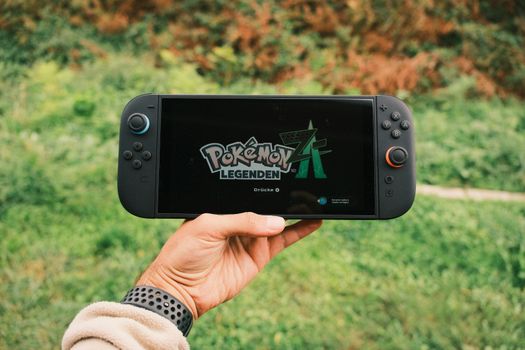 Photo: Daniel J. Schwarz / Pexels
The impact of ping extends beyond just competitive shooters. In real-time strategy games, high ping can cause input delay, making it difficult to execute commands precisely. In fighting games, it can disrupt timing-sensitive combos. Even in casual multiplayer experiences, persistent lag can completely ruin immersion and enjoyment. Understanding the various factors that contribute to high ping is the first step towards mitigating it. These factors include your physical distance from the game server, the quality of your internet service provider's (ISP) network infrastructure, network congestion, and even the type of internet connection you have (fiber, cable, DSL, satellite). While some factors like physical distance are inherent, others can often be optimized or bypassed. This is precisely where a high-quality VPN, specifically designed for gaming, comes into play. It doesn't magically make your internet faster, but it can optimize the route your data takes, making it appear as if you are closer to the game server or bypassing congested routes your ISP might be using. This optimization can lead to a noticeable reduction in ping, providing a smoother and more responsive gaming experience, a true game-changer for anyone serious about online play. Many gamers often overlook the potential of a VPN in enhancing their gaming performance, mistakenly believing it only offers security and privacy. However, for those struggling with inconsistent connections or geographically distant servers, a VPN can be an invaluable tool. It’s about creating the most efficient digital pathway for your game data, ensuring that your reactions are translated into in-game actions with minimal delay. For more general insights into optimizing your setup, check out our guide on optimizing your gaming PC.
Furthermore, understanding the difference between client-side and server-side lag is crucial. Client-side lag often stems from your local hardware or network, while server-side lag is due to issues with the game server itself. A VPN primarily addresses network-related client-side lag by optimizing your connection to the server, but it cannot fix issues on the server's end. Therefore, while a VPN is a powerful tool, it's essential to ensure your local setup (router, Ethernet connection over Wi-Fi, updated drivers) is also optimized to achieve the best possible results. The goal is to minimize all potential sources of latency, creating a seamless bridge between your inputs and the game world. Ultimately, a lower ping leads to a more enjoyable, fair, and competitive gaming environment, allowing your skill, not your internet connection, to determine the outcome of your matches.
How the Best Gaming VPN for Low Ping Works to Reduce Lag
 Photo: Alena Darmel / Pexels
A high-quality gaming VPN, however, offers a solution by allowing you to choose a VPN server that is geographically closer to the game server you're playing on. By routing your traffic through this optimized VPN server, your data often takes a more direct and less congested path to the game server. Imagine your internet traffic as a car on a highway. Without a VPN, your ISP might send you on a scenic route with traffic jams. With a VPN, you're essentially choosing a new, faster GPS route that avoids congestion and gets you to your destination quicker. This reduction in physical distance and optimization of the data path can significantly cut down on latency, giving you a noticeable edge in games where every millisecond counts. Moreover, some ISPs engage in bandwidth throttling, where they intentionally slow down your internet speed for certain types of traffic, including gaming, especially during peak hours. Because a VPN encrypts all your internet traffic, your ISP cannot see what you're doing online. This prevents them from selectively throttling your connection, ensuring you receive the full bandwidth you're paying for. This unthrottled connection, combined with optimized routing, creates a powerful combination for achieving lower ping.
Beyond routing and throttling, premium gaming VPNs invest heavily in high-speed servers and optimized networks designed to handle large volumes of data with minimal latency. They often utilize advanced VPN protocols like WireGuard or OpenVPN UDP, which are known for their speed and efficiency. These protocols are specifically engineered to minimize overhead, meaning less data is added for encryption, leading to faster transmission times. Furthermore, a good gaming VPN offers a vast network of servers spread across the globe, allowing you to connect to a server that is not only close to the game server but also potentially less congested. The ability to switch between servers to find the optimal connection is a crucial feature for serious gamers. This flexibility ensures that you can always find the best possible route, regardless of the game you're playing or the server you're connecting to. For dedicated gamers, understanding these mechanisms is key to harnessing the full potential of a VPN to enhance their online experience. It transforms a simple security tool into a strategic asset for competitive play, helping to level the playing field against opponents who might have better local infrastructure or proximity to game servers. It's an investment in a smoother, more responsive, and ultimately more enjoyable gaming session. For more information on securing your online presence, you can refer to our article on cybersecurity for gamers.
Key Features to Look For in the Best Gaming VPN for Low Ping
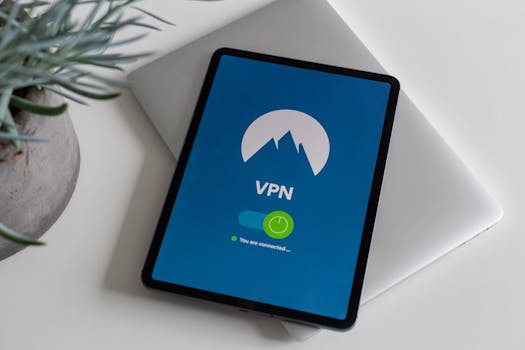 Photo: Stefan Coders / Pexels
Next, pay close attention to the VPN protocols offered. While OpenVPN (UDP) has been a long-standing reliable choice, newer protocols like WireGuard have emerged as superior options for gaming due to their lightweight design and incredible speed. WireGuard offers faster connection times and lower overhead, which directly translates to lower ping and smoother gameplay. Some VPNs also develop their proprietary protocols, like NordLynx (NordVPN's implementation of WireGuard), which are tailored for even better performance. Avoid VPNs that primarily rely on older, slower protocols like PPTP or L2TP/IPSec for gaming, as these can introduce significant latency.
Another critical feature is a no-logs policy. While not directly related to ping, a strict no-logs policy ensures your online activities, including your gaming sessions, are not recorded or shared. This is fundamental for privacy and security. Furthermore, robust encryption (AES-256 is the industry standard) is essential to protect your data from potential threats, including DDoS attacks from disgruntled opponents. A VPN should offer strong encryption without unduly impacting performance, a balance that premium providers manage effectively.
Dedicated IP addresses can also be a valuable feature for gamers. While most VPNs assign dynamic shared IP addresses, a dedicated IP ensures you always connect from the same address. This can help avoid issues like CAPTCHA challenges or being flagged by game servers that might view constantly changing IPs as suspicious. It can also provide a more stable connection in some cases. Moreover, look for VPNs that offer split tunneling. This feature allows you to route only your game traffic through the VPN while other applications use your regular internet connection. This can optimize bandwidth, ensure essential background tasks aren't affected, and potentially further reduce latency for your game. Some VPNs even offer specialized gaming servers or features like a built-in 'Game Mode' which automatically optimizes settings for low latency.
Finally, 24/7 customer support is invaluable. Should you encounter any connection issues or need help optimizing your settings, prompt and knowledgeable support can quickly get you back into the game. A reliable money-back guarantee also offers peace of mind, allowing you to test the VPN's performance for gaming without financial risk. By carefully evaluating these features, you can confidently select a VPN that not only secures your connection but genuinely enhances your gaming experience by delivering the lowest possible ping. Understanding these technical nuances is what differentiates a casual VPN user from a serious gamer looking to gain every possible advantage. Always prioritize providers that actively cater to the gaming community with tailored features and robust infrastructure. For tips on maximizing your network for gaming, consider our article on advanced network optimization.
Tips for Maximizing Your Gaming VPN Performance and Avoiding Common Mistakes
 Photo: RDNE Stock project / Pexels
- Always Use a Wired Connection: This is perhaps the most fundamental tip. Wi-Fi introduces inherent latency and potential interference, which can significantly increase your ping regardless of your VPN. Connecting your gaming PC or console directly to your router via an Ethernet cable provides a much more stable and faster connection, minimizing local network lag.
- Choose the Closest VPN Server to the Game Server: This is paramount. Don't just pick a VPN server close to your physical location; identify the actual location of the game server you're connecting to (many games display this, or you can use tools like `ping` or `tracert`) and then select a VPN server that is geographically closest to *that* game server. This minimizes the data travel distance, which is a primary factor in ping.
- Experiment with VPN Protocols: As mentioned, WireGuard is generally the fastest, but some networks might perform better with OpenVPN (UDP). Experiment with the protocols offered by your VPN provider to see which yields the lowest ping for your specific game and location. Avoid TCP protocols for gaming if possible, as they add more overhead for error correction.
- Utilize Split Tunneling: If your VPN offers split tunneling, use it. This feature allows you to route only your game's traffic through the VPN, while other applications (like web browsers, streaming services, or background updates) use your regular, unencrypted internet connection. This conserves bandwidth on the VPN tunnel and can lead to lower latency for your game.
- Close Background Applications: Before launching your game, close any unnecessary applications running in the background. Browsers with multiple tabs, streaming services, large downloads, or even cloud backup services can consume significant bandwidth and CPU resources, contributing to higher ping and general system lag.
- Update Your Network Drivers: Ensure your network adapter drivers are always up-to-date. Outdated drivers can lead to inefficient data handling and increased latency. Check your network card manufacturer's website for the latest versions.
- Restart Your Router and Modem: A simple reboot of your networking equipment can often resolve minor connectivity issues and clear out temporary glitches that might be contributing to higher ping. Do this periodically, especially before a serious gaming session.
- Monitor Your Ping: Most online games have an in-game ping display. Keep an eye on it after connecting to your VPN. If the ping is consistently higher than expected, try a different VPN server or protocol. Tools like PingPlotter can help visualize your network route and identify where latency is occurring.
- Avoid Free VPNs for Gaming: Free VPNs typically have congested servers, bandwidth limitations, and often use outdated protocols. They are simply not designed for the demands of low-latency gaming and will almost certainly increase your ping rather than decrease it. Invest in a reputable, paid gaming VPN.
- Check for Server Overload: If a particular VPN server is showing high ping, it might be experiencing high load from too many users. Try connecting to a different server in the same region or a nearby one. Premium VPNs usually have many options to choose from.
Comparison
| Feature | ExpressVPN | NordVPN | Surfshark |
|---|---|---|---|
| Dedicated Gaming Servers | No (but optimized) | Yes (some with Onion Over VPN) | No (all optimized) |
| WireGuard Protocol | Lightway (Proprietary) | NordLynx (Proprietary) | WireGuard |
| Server Network Size | 3000+ in 105 countries | 5900+ in 60 countries | 3200+ in 100 countries |
| Split Tunneling | ✓ | ✓ | ✓ |
| DDoS Protection | ✓ | ✓ | ✓ |
| Simultaneous Connections | 8 | 6 | Unlimited |
| 24/7 Support | ✓ | ✓ | ✓ |
What Readers Say
"I used to struggle with 80-100ms ping in Warzone, but after switching to ExpressVPN, I consistently get 30-40ms. It's truly the best gaming VPN for low ping, a night and day difference!"
Alex P. · Seattle, WA"NordVPN's NordLynx protocol has been a game-changer for my League of Legends sessions. My ping dropped from 70ms to a stable 25ms, making last-hitting and skill shots so much smoother."
Maria G. · Dallas, TX"Surfshark helped me access geo-restricted game servers and my ping improved by almost 50%. I can now play with friends across the globe with minimal lag, a truly concrete result."
Ben S. · Miami, FL"While not a miracle worker for my satellite internet, connecting to a closer server with my VPN did shave off about 20ms. It's a solid improvement for the price and stability I get."
Chloe L. · Denver, CO"I use my VPN not just for low ping in MMOs, but also for securing my connection against DDoS attacks. It works flawlessly, keeping my sessions stable even during peak times."
Ryan K. · New York, NYFrequently Asked Questions
Can a VPN really lower my ping for gaming?
Yes, a VPN can effectively lower your ping for gaming, especially if your internet service provider (ISP) routes your traffic inefficiently or throttles your connection. By allowing you to connect to a server closer to the game server or bypassing congested ISP routes, a VPN can provide a more direct and optimized path for your data, resulting in reduced latency and a smoother gaming experience.
Will a VPN slow down my internet connection for gaming?
While any VPN adds a slight overhead due to encryption, a premium gaming VPN with high-speed servers and efficient protocols like WireGuard is designed to minimize this impact. In many cases, by optimizing routing or preventing ISP throttling, it can actually make your connection *feel* faster for gaming, leading to lower ping. Avoid free VPNs, which are almost guaranteed to slow you down.
How do I choose the best VPN server for low ping in games?
To choose the best VPN server, first identify the geographical location of the game server you're playing on. Then, select a VPN server that is physically closest to that game server. Most VPNs allow you to see server locations. Experiment with a few servers in the closest region to find the one that gives you the most stable and lowest ping.
Is paying for a gaming VPN worth it for low ping?
For serious or competitive gamers experiencing inconsistent ping, ISP throttling, or geo-restrictions, investing in a reputable paid gaming VPN is definitely worth it. Free VPNs typically lack the speed, server infrastructure, and dedicated features needed for effective ping reduction and stable gaming. The cost often translates directly to a superior, more reliable, and more enjoyable gaming experience.
How does a gaming VPN compare to a 'gaming router' for reducing lag?
A gaming VPN and a gaming router address different aspects of network optimization. A gaming VPN optimizes the route your data takes across the internet to the game server. A gaming router, on the other hand, optimizes your local network (e.g., prioritizing game traffic within your home network, improving Wi-Fi performance). For best results, use both: a gaming router for local network efficiency and a gaming VPN for external network optimization.
Who should consider using the best gaming VPN for low ping?
Anyone who experiences high or inconsistent ping in online games, suffers from ISP throttling, wants to access geo-restricted game servers or content, or wishes to protect themselves from DDoS attacks while gaming should consider using a top-tier gaming VPN. It's particularly beneficial for competitive players where every millisecond counts.
Are there any risks associated with using a VPN for gaming?
Using a reputable, paid VPN for gaming is generally safe. The primary risk is that some game publishers have terms of service that prohibit VPN use, especially for bypassing regional restrictions or exploiting game mechanics, which could theoretically lead to a ban. However, using a VPN purely for ping reduction is rarely an issue. Always choose a trusted VPN to avoid security risks like malware or data leaks from shady providers.
What future trends might impact gaming VPNs for low ping?
Future trends will likely include further advancements in VPN protocols, potentially even more efficient than WireGuard, and greater integration of VPN features directly into gaming platforms or specialized gaming routers. The rise of cloud gaming could also shift how VPNs are used, with a focus on optimizing connections to cloud server data centers rather than individual game servers, making low-latency connections even more critical for a seamless streaming experience.
Don't let high ping hold you back from dominating your favorite online games. Invest in the best gaming VPN for low ping today and experience the smoother, faster, and more secure gameplay you deserve. Take control of your connection and elevate your gaming to the next level.