Master How to Stream Games on Twitch: Your Ultimate Guide
how to stream games on Twitch

Master How to Stream Games on Twitch: Your Ultimate Guide

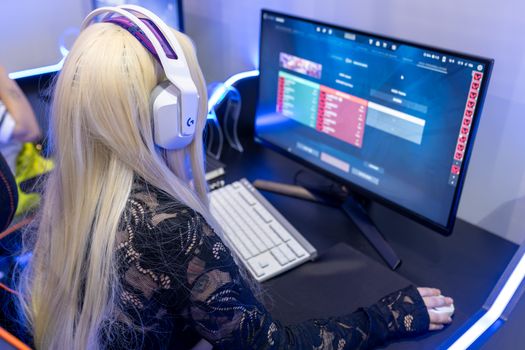
Young woman gaming at a PC high-tech setup, wearing headphones.Photo: Matheus Bertelli / Pexels

Master How to Stream Games on Twitch: Your Ultimate Guide

Transform your passion for gaming into an engaging broadcast and connect with a global audience on Twitch.

Start Streaming Now

Key Takeaways

  • ✓ Twitch is the dominant platform for live game streaming, with millions of daily viewers.
  • ✓ A stable internet connection (at least 3-6 Mbps upload) is crucial for smooth streaming.
  • ✓ Dedicated streaming software like OBS Studio or Streamlabs OBS is essential.
  • ✓ Engagement with your chat is vital for building a community and retaining viewers.

How It Works

1
Prepare Your Gear

Gather your gaming PC/console, a good microphone, and a webcam. Ensure your internet connection is robust enough for live broadcasting.

2
Choose & Configure Software

Download and set up streaming software like OBS Studio or Streamlabs OBS. Connect your Twitch account and configure video/audio settings.

3
Set Up Your Stream

Add game capture, webcam, and alerts to your streaming software. Design your scene layouts and ensure all elements are working correctly.

4
Go Live & Engage

Start your stream, announce it on social media, and actively interact with your chat. Monitor your stream's performance and adjust as needed.

Understanding the Fundamentals of Twitch Streaming
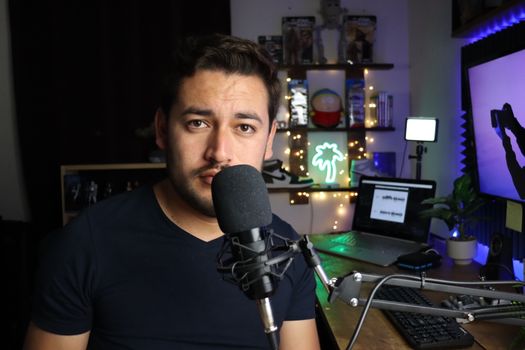
Podcaster in a stylish home studio with microphone and neon lights in Santiago de Querétaro, Mexico.Photo: Benjamin Dominguez / Pexels
Embarking on the journey of how to stream games on Twitch can seem daunting at first, but with the right foundational knowledge, it's an incredibly rewarding experience. Twitch, owned by Amazon, stands as the undisputed titan in the live streaming world, particularly for gaming content. Millions of viewers tune in daily to watch their favorite streamers play everything from competitive esports titles to casual indie games. This massive audience presents an unparalleled opportunity to share your passion, build a community, and even turn gaming into a viable career. Before diving into the technical setup, it's crucial to understand what makes a Twitch stream successful. It's not just about playing games; it's about entertainment, personality, and interaction. Viewers come to Twitch not only for the gameplay but also for the streamer's commentary, reactions, and engagement. Therefore, developing your on-stream persona, practicing your commentary, and being ready to interact with your chat are just as important as having top-tier equipment. At its core, streaming involves capturing your gameplay, your face (via webcam), and your voice (via microphone), encoding this data, and sending it to Twitch's servers, which then broadcast it to your audience. The quality of your stream depends heavily on your hardware, software, and internet connection. A powerful gaming PC is often a prerequisite for streaming graphically intensive games, as it needs to handle both the game and the encoding process simultaneously. However, console streamers can also get into the action with capture cards, which offload the encoding to a separate PC or handle it internally. Your internet upload speed is perhaps the most critical factor; without sufficient bandwidth, your stream will suffer from buffering, dropped frames, and poor video quality. Most experts recommend an upload speed of at least 3-6 Mbps for 720p streaming at 30 frames per second (fps), and significantly more for higher resolutions and frame rates. Beyond the technical aspects, understanding Twitch's ecosystem is key. The platform offers various tools and features designed to help streamers grow, such as channel points, extensions, and raids. Familiarizing yourself with these can enhance your viewer experience and retention. Furthermore, consistency is paramount. Regular streaming schedules help your audience know when to tune in, fostering loyalty and growth. Don't be discouraged if your first few streams have low viewership; building an audience takes time, effort, and persistence. Focus on creating quality content, engaging authentically, and continuously improving. Many successful streamers started with just a handful of viewers, growing their channels through dedication and passion. This guide will walk you through every step, ensuring you have the knowledge to confidently start your streaming journey on Twitch.

Essential Equipment and Software for Your Twitch Stream
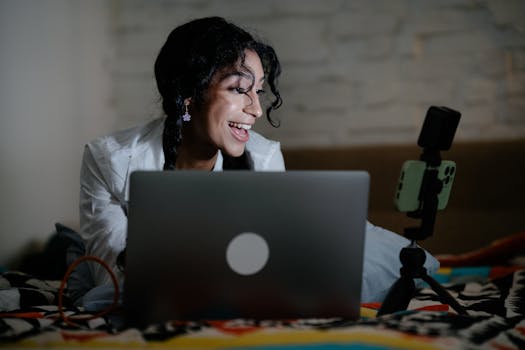
Happy woman vlogging with a laptop and smartphone setup, creating content indoors.Photo: Mizuno K / Pexels
To effectively learn how to stream games on Twitch, you'll need a solid foundation of equipment and software. While some items are non-negotiable, others can be upgraded over time as your channel grows. Let's break down the essentials. First and foremost, a powerful computer is often the heart of a streaming setup. For PC gamers, this means a rig capable of running your game smoothly while simultaneously encoding and uploading your video feed. A multi-core processor (Intel i5/Ryzen 5 or better) and a dedicated graphics card (NVIDIA GTX 10 series/AMD RX 500 series or better) are generally recommended. Console streamers will need a capture card, which acts as a bridge between your console and your PC, allowing you to send the console's video output to your computer for streaming. Popular options include Elgato Game Capture HD60 S+ or AverMedia Live Gamer Portable 2 Plus. Next, audio quality is paramount. Viewers are often more forgiving of slightly lower video quality than they are of poor audio. A good microphone is an investment that pays dividends. USB microphones like the Blue Yeti or Rode NT-USB Mini are excellent entry-level choices, offering significant improvement over built-in laptop mics or headset microphones. For more advanced setups, XLR microphones paired with an audio interface provide superior sound quality and flexibility. Along with your microphone, a good pair of headphones is essential to monitor your audio and prevent echo. A webcam is another crucial component for personalizing your stream. Seeing your reactions and expressions helps viewers connect with you on a deeper level. Most webcams offer 1080p resolution, with popular models including the Logitech C920 or Razer Kiyo. While not strictly necessary for every streamer, a green screen can be a fantastic addition for removing your background and creating a more professional look. On the software front, your streaming experience hinges on your choice of broadcasting software. OBS Studio is a free, open-source, and incredibly powerful tool widely used by professional streamers. It offers extensive customization options, allowing you to create complex scene layouts, add various sources, and fine-tune your encoding settings. Streamlabs OBS (SLOBS) is another popular choice, built on the OBS framework but with a more user-friendly interface and integrated features like alerts, widgets, and themes. It's often recommended for beginners due to its ease of use. Both OBS Studio and Streamlabs OBS allow you to connect your Twitch account, manage your stream title and game, and monitor your chat. Beyond the core streaming software, consider tools for stream alerts (e.g., StreamElements, Nightbot), which notify you and your viewers about new followers, subscriptions, and donations, adding a dynamic and interactive element to your broadcast. These tools significantly enhance the viewer experience and make your stream feel more lively and engaging.

Optimizing Your Twitch Stream for Growth and Engagement
Side view of a gamer wearing a cap and headphones, illuminated by a computer screen in a dark room.Photo: Tarikul Raana / Pexels
Once you've mastered the technical setup of how to stream games on Twitch, the next frontier is optimizing your stream for growth and engagement. A high-quality stream is only part of the equation; building a loyal community requires strategic effort and genuine interaction. Consistency is the bedrock of channel growth. Establishing a regular streaming schedule and sticking to it helps your audience know when to find you, fostering a sense of reliability and routine. Announce your schedule on social media and use Twitch's scheduling feature to keep your viewers informed. Even if you can only stream a few hours a week, consistency in those hours is more valuable than sporadic, long sessions. Engagement with your chat is arguably the most critical aspect of Twitch streaming. Viewers come for the gameplay, but they stay for the streamer's personality and the community. Actively read and respond to chat messages, ask questions, and acknowledge new followers and subscribers. Even when you're focused on intense gameplay, try to interject with commentary or respond to a quick chat message. Tools like Streamlabs Chatbot or Nightbot can help moderate your chat, run polls, and create commands, freeing you up to focus on interaction. Don't be afraid to show your personality – whether you're witty, analytical, or just plain goofy, authenticity resonates with viewers. Over time, you'll develop inside jokes and a unique rapport with your community, making your stream a welcoming place for regulars. Beyond live interaction, consider how you can make your stream discoverable and appealing. A compelling stream title and category are vital for attracting new viewers browsing Twitch. Use relevant keywords, but also inject personality or highlight what makes your stream unique. Custom overlays, alerts, and emotes can significantly enhance your channel's aesthetic and brand identity. Services like StreamElements or Own3d offer ready-made packages or tools to design your own. Don't forget the power of social media. Promote your upcoming streams on platforms like Twitter, Instagram, TikTok, and Discord. Share highlights, engage with other streamers and communities, and use relevant hashtags to expand your reach. Collaborating with other streamers, especially those of a similar size or game niche, can also be a powerful way to cross-promote and introduce your channel to new audiences. Remember, growing on Twitch is a marathon, not a sprint. It requires patience, persistence, and a willingness to learn and adapt. Continuously seek feedback, analyze your stream data, and always strive to improve your content and viewer experience. Embracing these strategies will not only teach you how to stream games on Twitch effectively but also how to build a thriving and interactive community around your gaming passion.

Advanced Tips and Common Pitfalls to Avoid When Streaming
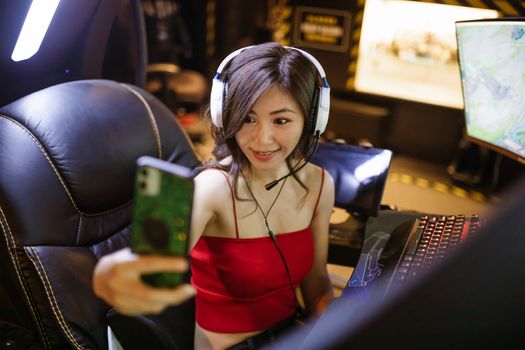
A young woman gamer with headphones taking a selfie during a gaming session.Photo: RDNE Stock project / Pexels
As you gain experience learning how to stream games on Twitch, you'll want to move beyond the basics and refine your approach. Here are some advanced tips and common pitfalls to sidestep for a more polished and successful streaming career: **Advanced Tips for Twitch Streaming:** * **Dual PC Setup:** For high-end gaming and streaming, a dual PC setup is the gold standard. One PC handles the game, while the other is dedicated solely to encoding and streaming. This offloads the intensive processing, ensuring buttery-smooth gameplay and a high-quality stream without performance compromises. It's a significant investment but ideal for competitive gamers or those aiming for peak production value. * **Bitrate Optimization:** Experiment with your bitrate settings in OBS Studio or Streamlabs OBS. While higher bitrates generally mean better quality, there's a point of diminishing returns, and too high a bitrate can cause buffering for viewers with slower internet. Twitch recommends specific bitrates based on resolution and frame rate (e.g., 4500-6000 kbps for 1080p/60fps). Find the sweet spot that balances quality and accessibility for your audience. * **Audio Mixing and Noise Suppression:** Beyond just having a good mic, learn to properly mix your audio sources. Use OBS's audio mixer to balance game audio, microphone volume, and alert sounds. Implement noise suppression filters (like NVIDIA Broadcast or OBS's built-in noise gate/suppression) to eliminate background noise, ensuring your voice is crystal clear. * **Stream Deck Integration:** A physical Stream Deck (from Elgato) or a virtual one (like Touch Portal) can revolutionize your stream control. Program buttons for scene switching, muting audio, triggering alerts, playing sound effects, or even launching applications, allowing for seamless transitions and dynamic content delivery during your live broadcast. * **VOD Review and Analysis:** After each stream, take time to review your Video On Demand (VOD). Watch sections where you struggled, analyze chat engagement, and identify areas for improvement in your commentary, gameplay, or technical setup. This self-critique is invaluable for continuous growth. * **Networking with Other Streamers:** Engage with other streamers in their chats, participate in raids, and join streamer communities on Discord. Building genuine relationships can lead to collaborations, host/raid opportunities, and a supportive network that helps you grow. **Common Pitfalls to Avoid:** * **Ignoring Chat:** The quickest way to lose viewers is to ignore their messages. Even if you're focused, try to acknowledge chat periodically. A silent stream with no interaction feels impersonal. * **Inconsistent Schedule:** Erratic streaming times make it difficult for viewers to know when to tune in, hindering audience growth and loyalty. * **Poor Audio Quality:** Crackling, echoing, or muffled audio is a major turn-off. Invest in a decent microphone and learn basic audio mixing/filtering. * **Lack of Personality/Energy:** While authenticity is key, a monotone or low-energy stream can be boring. Inject enthusiasm, humor, and your unique personality into your broadcast. * **Streaming Only the Hottest Games:** While popular games can attract viewers, the competition is fierce. Consider niche games where you can stand out, or mix popular titles with less saturated ones. * **Neglecting Self-Care:** Streaming can be demanding. Avoid burnout by taking breaks, managing your schedule, and prioritizing your physical and mental well-being. A healthy streamer is a better streamer. By implementing these advanced tips and consciously avoiding common mistakes, you'll not only learn how to stream games on Twitch more effectively but also cultivate a professional, engaging, and sustainable streaming career.

Comparison

FeatureOBS StudioStreamlabs OBSTwitch Studio
CostFreeFree (Prime optional)Free
CustomizationExtensiveModerateBasic
Ease of UseMediumHighVery High
Integrated Alerts/WidgetsVia plugins
CPU UsageLowerHigherModerate
Beginner Friendly

What Our Readers Say

5 ★★★★★

"This guide was a game-changer for learning how to stream games on Twitch. I went from zero viewers to a consistent 10-15 in just a few weeks by following the setup and engagement advice. Highly recommend for any aspiring streamer!"

5 ★★★★★

"I always wanted to stream but felt overwhelmed. This article broke down how to stream games on Twitch into manageable steps, especially the gear and software recommendations. My stream quality improved dramatically overnight!"

5 ★★★★★

"The tips on audience engagement and consistency were invaluable. After implementing them, my chat activity quadrupled, and I saw a 50% increase in followers. This is the ultimate resource for anyone serious about Twitch."

4 ★★★★☆

"Good comprehensive guide, especially for beginners. I wish there was a bit more on specific game capture settings, but overall, it's a fantastic starting point for understanding how to stream games on Twitch and building a community."

5 ★★★★★

"As a console gamer, I found the capture card section incredibly helpful. This guide showed me exactly how to stream games on Twitch from my PS5 without needing a super expensive PC. My friends are impressed with the stream quality!"

Frequently Asked Questions

What are the absolute minimum requirements to start streaming on Twitch?
The bare minimum includes a decent internet connection (at least 3 Mbps upload), a gaming PC or console, and a free streaming software like OBS Studio. While a mic and webcam are highly recommended for engagement, you can technically start without them.
Is it expensive to start streaming games on Twitch?
It doesn't have to be. You can start for free with existing gear and software. The cost scales with your ambition – better mics, webcams, capture cards, and dual PCs add up, but are not necessary for your first stream.
How do I connect my Twitch account to my streaming software?
In OBS Studio or Streamlabs OBS, go to Settings > Stream, select 'Twitch' as the service, and then click 'Connect Account' or 'Login'. This will open a browser window for you to authorize the connection securely.
What's the best resolution and frame rate for a beginner streamer?
For beginners, 720p resolution at 30 frames per second (fps) is a great starting point. It's less demanding on your hardware and internet, ensuring a smoother experience for both you and your viewers, while still offering good visual quality.
Should I use OBS Studio or Streamlabs OBS to stream games on Twitch?
Streamlabs OBS is generally more user-friendly for beginners, with integrated alerts and a simpler interface. OBS Studio offers more granular control and is preferred by advanced streamers for its lower resource usage and extensive customization via plugins.
Who should consider streaming games on Twitch?
Anyone passionate about gaming who enjoys sharing their experiences and interacting with others. If you love playing games, have a decent personality, and are willing to put in the effort to build a community, Twitch streaming is for you.
Are there any legal or copyright concerns when streaming games?
Yes, always be mindful of copyright. While most game developers are fine with streaming their games, using copyrighted music in the background without permission can lead to muting of VODs or even DMCA strikes. Stick to royalty-free music or music specifically cleared for streamers.
What are the future trends for game streaming on Twitch?
Expect continued growth in interactive streaming, community-driven content, and mobile streaming. AI integration for moderation and analytics, as well as more diverse content beyond traditional gaming, are also emerging trends to watch for.

Ready to turn your gaming passion into a live experience? This comprehensive guide has equipped you with all the knowledge on how to stream games on Twitch. Take the leap, set up your stream, and start building your community today!

Topics: how to stream games on TwitchTwitch streaming setupTwitch beginner guidegame streaming tipsTwitch broadcast software
Leo List
Brampton weed
Adultwork EstrelaBet Vai de Bet R7 Bet Betão Galera Bet Rainbet Bet9ja Shop SportyBet BetKing Sisal Loto Foot Hollywoodbets YesPlay Odibets RushBet Jugabet BetWarrior BetCity MSport betPawa Fortebet