What Are The Best Esports Games? Your Ultimate Guide!
June 15, 2026 16 min read 3,271 words
Uncover the most thrilling and rewarding competitive titles that dominate the global esports stage.
Explore Top Games Now
The Global Phenomenon: Understanding Esports Games
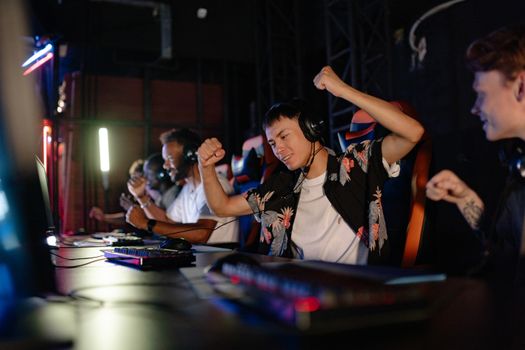 Photo: Yan Krukau / Pexels
Esports, short for electronic sports, has transcended its niche origins to become a global phenomenon, captivating millions of viewers and offering lucrative careers for professional players. At its core, esports involves organized, multiplayer video game competitions, often between professional players, individually or as teams. These competitions are watched by spectators, both online via streaming platforms like Twitch and YouTube, and in-person at large venues, similar to traditional sporting events. The sheer scale of esports today is staggering, with major tournaments boasting prize pools that rival those of established sports, sometimes exceeding tens of millions of dollars. The industry's growth is fueled by passionate communities, dedicated developers, and an ever-expanding ecosystem of sponsors, broadcasters, and infrastructure. Understanding what makes a game an 'esport' is crucial. It's not just about being popular; an esports title requires a deep strategic layer, a high skill ceiling, balanced gameplay that rewards mastery over randomness, and robust spectator appeal. These elements combine to create a compelling competitive environment that is both challenging for players and engaging for viewers. The evolution of esports has seen titles rise and fall, but the best esports games consistently demonstrate longevity, innovation, and a vibrant competitive scene. From the strategic depths of multiplayer online battle arenas (MOBAs) to the lightning-fast reflexes demanded by first-person shooters (FPS), each genre offers a unique competitive experience. The appeal is multifaceted: for players, it's the thrill of competition, the pursuit of mastery, and the potential for recognition and financial reward. For viewers, it's the excitement of high-stakes matches, the drama of underdog stories, and the opportunity to witness incredible feats of skill and teamwork. This dynamic interplay between players, games, and audience creates the vibrant tapestry that is modern esports. As technology advances and game design evolves, the landscape of esports continues to shift, bringing new titles into the spotlight and refining the competitive experience. The accessibility of online gaming has democratized competitive play, allowing aspiring pros from anywhere in the world to hone their skills and climb the ranks. The impact of esports extends beyond just entertainment; it influences game development, fosters technological innovation, and creates new forms of digital culture and community. The question of
what are the best esports games is therefore not just about popularity, but about which titles best embody these competitive ideals and sustain a thriving ecosystem.
Dominant Genres and Their Flagship Titles
When we delve into what are the best esports games, we inevitably categorize them by genre, as each offers a distinct competitive flavor. Four genres predominantly dominate the esports landscape: MOBAs, First-Person Shooters (FPS), Real-Time Strategy (RTS), and Fighting Games. Each genre has its flagship titles that have cultivated massive followings and established themselves as pillars of competitive gaming.
**Multiplayer Online Battle Arenas (MOBAs):** This genre is arguably the most popular in esports, characterized by two teams of players battling on a predefined map to destroy each other's main structure while defending their own. Players control powerful characters (heroes or champions) with unique abilities, leveling up and acquiring items throughout the match. The strategic depth, team coordination, and constant action make MOBAs incredibly compelling to watch. The undisputed kings here are *League of Legends* and *Dota 2*. *League of Legends* boasts an immense global player base and a highly structured professional circuit, culminating in the annual World Championship, one of the most-watched esports events. *Dota 2*, on the other hand, is renowned for its incredibly deep mechanics, high skill ceiling, and the colossal prize pools of its annual tournament, The International, often funded in part by its community. Both games demand mastery of individual hero mechanics, intricate map awareness, precise timing, and seamless team communication.
**First-Person Shooters (FPS):** FPS games are all about quick reflexes, pinpoint accuracy, and tactical positioning. Teams of players engage in objective-based combat, requiring rapid decision-making and coordinated assaults or defenses. The adrenaline-pumping action and dramatic clutch plays make FPS esports incredibly exciting. Key titles include *Counter-Strike 2 (CS2)*, *Valorant*, and *Overwatch 2*. *CS2* is a veteran of the esports scene, known for its pure skill-based gunplay, intricate economic system, and tactical depth. Its legacy is unmatched, with a history spanning decades. *Valorant*, a newer entrant from Riot Games (creators of League of Legends), combines the precise shooting of CS with unique character abilities, adding a fresh layer of strategic complexity. *Overwatch 2* offers a hero-shooter experience with diverse characters and roles, emphasizing team composition and ability synergy. Each of these games offers a distinct take on the FPS formula, appealing to different competitive preferences but all demanding peak performance from their players.
**Real-Time Strategy (RTS):** RTS games challenge players to manage resources, build bases, train armies, and execute complex strategies in real-time. They are a true test of mental acuity, multitasking, and long-term planning. While not as mainstream as MOBAs or FPS, the RTS genre holds a revered place in esports history. *StarCraft II* is the quintessential RTS esport. It requires an unparalleled level of micro-management (controlling individual units) and macro-management (economy and base building) simultaneously. Professional StarCraft players are often lauded for their incredible 'Actions Per Minute' (APM) and strategic foresight, making it a cerebral and intense competitive spectacle. The game's one-on-one format highlights individual skill and strategic brilliance.
**Fighting Games:** These games pit two players against each other in a head-to-head combat scenario, demanding precise inputs, intricate combo knowledge, and psychological mind games. The direct confrontation and high-stakes moments make fighting games incredibly engaging. Iconic titles include *Street Fighter 6*, *Tekken 8*, and *Mortal Kombat 1*. Each franchise has a rich history and a dedicated community. *Street Fighter* is known for its fundamental footsies and strategic spacing, while *Tekken* emphasizes 3D movement and elaborate string combos. *Mortal Kombat* stands out with its brutal finishers and unique character abilities. The raw skill and individual expression in fighting games make them a captivating part of the esports landscape, often featuring dramatic upsets and incredible displays of mastery. Understanding these core genres and their leading titles is the first step in appreciating the breadth and depth of what makes
what are the best esports games so compelling.
Beyond the Big Four: Emerging and Niche Esports Titles
While MOBAs, FPS, RTS, and Fighting Games form the bedrock of competitive gaming, the world of esports is constantly evolving, with new titles emerging and niche genres carving out their own dedicated communities. To truly understand what are the best esports games, one must look beyond the most dominant and acknowledge the diversity and innovation present across the broader spectrum of competitive play. These emerging and niche titles often bring fresh mechanics, unique perspectives, and vibrant competitive scenes that contribute significantly to the overall esports ecosystem.
**Battle Royale Games:** This genre exploded in popularity, dropping a large number of players onto an island to scavenge for weapons and be the last one standing. While early competitive scenes grappled with the inherent randomness, titles like *Fortnite* and *PUBG: Battlegrounds* have developed robust esports circuits. *Fortnite* stands out with its unique building mechanics, offering a blend of shooting, strategy, and creative construction that differentiates it from other battle royales. Its World Cup events have offered some of the largest prize pools in esports history. *PUBG: Battlegrounds*, on the other hand, emphasizes more realistic gunplay and tactical positioning, appealing to a more hardcore audience with its intense survival mechanics and large-scale team battles. The challenge for battle royales in esports lies in balancing the inherent unpredictability with competitive integrity, a challenge that developers continue to refine.
**Sports Simulation Games:** These games replicate traditional sports, offering a digital arena for competition. Titles like *FIFA (EA Sports FC)*, *NBA 2K*, and *Rocket League* have strong competitive scenes. *FIFA* and *NBA 2K* leverage the global appeal of their real-world counterparts, allowing players to compete as their favorite teams and athletes. The skill ceiling in these games involves deep understanding of game mechanics, strategic playcalling, and precise execution. *Rocket League*, however, is a unique hybrid, combining soccer with rocket-powered cars. Its intuitive yet incredibly deep physics-based gameplay allows for spectacular aerial maneuvers, intricate team plays, and high-octane action, making it a consistent favorite among both players and viewers. Its accessibility and high skill cap make it an excellent example of a game that successfully translates a traditional sport into a compelling digital esport.
**Digital Card Games:** Requiring significant strategic thinking, deck building, and a bit of luck, digital card games have a strong presence in esports. *Hearthstone* and *Legends of Runeterra* are prime examples. These games challenge players to construct powerful decks and outwit opponents through clever card play and resource management. The competitive scene often revolves around understanding the meta (the most effective strategies and decks), adapting to new expansions, and making critical decisions under pressure. While seemingly less action-packed, the intellectual battle and strategic depth offer a unique and engaging spectator experience, appealing to those who appreciate mental prowess over raw mechanical skill. The evolving nature of card pools ensures a fresh competitive environment with each new set release.
**Auto Chess/Autobattlers:** This relatively new genre, popularized by *Dota Underlords* and *Teamfight Tactics (TFT)*, involves players strategically placing units on a board that then battle automatically. The competitive aspect comes from drafting units, forming synergies, managing economies, and positioning. *Teamfight Tactics*, in particular, has cultivated a massive competitive community, with a structured professional circuit and significant viewership. It offers a different kind of strategic challenge, focusing on adaptability, economic management, and understanding complex unit interactions rather than real-time reflexes. These games demonstrate the continuous innovation within the esports landscape and how new competitive formats can capture the imagination of players and fans alike.
The inclusion of these diverse genres and their respective flagship titles highlights that what are the best esports games is not a static list, but a dynamic and expanding universe of competitive entertainment. Each game brings its own flavor, challenges, and community, enriching the overall esports experience for millions globally.
Choosing Your Esports Journey: Tips for Players and Viewers
Whether you're an aspiring pro or a dedicated fan, navigating the vast world of esports requires a bit of guidance. Understanding what are the best esports games for you, both to play and to watch, involves considering several factors. This section offers practical tips to help you embark on your esports journey, maximizing your enjoyment and engagement.
**For Aspiring Players:**
* **Find Your Passion:** Don't just pick a game because it's popular or has big prize pools. Choose a game you genuinely enjoy playing and are willing to dedicate thousands of hours to. Passion is the fuel for improvement and sustained effort. If you don't love the game, the grind to mastery will feel like a chore.
* **Start with the Fundamentals:** Before diving into advanced strategies, master the basics. For FPS games, focus on aim training, movement, and map knowledge. For MOBAs, understand last hitting, warding, and basic character abilities. A strong foundation is crucial for long-term growth.
* **Watch and Learn from the Best:** Study professional players and streamers. Analyze their decision-making, positioning, item builds, and mechanical execution. Many pros stream their gameplay and offer valuable insights. This passive learning can dramatically accelerate your understanding of the game's meta.
* **Practice Deliberately:** Don't just play games; practice with a purpose. Identify your weaknesses and create specific drills or scenarios to improve them. Review your own gameplay (VODs) to pinpoint mistakes and areas for improvement. Consistent, focused practice is more effective than simply playing a lot.
* **Communicate and Team Up:** For team-based games, effective communication is paramount. Learn to make clear, concise calls and listen to your teammates. Finding a consistent team or group of friends to play with can enhance your experience and accelerate your collective improvement. Team synergy is often more important than individual skill.
* **Manage Your Mindset:** Competitive gaming can be mentally taxing. Learn to manage tilt, stay positive, and focus on improvement rather than just wins and losses. A healthy mindset is crucial for sustained performance and enjoyment. Celebrate small victories and learn from every defeat.
**For Dedicated Viewers:**
* **Understand the Game:** To fully appreciate the skill and strategy, try to understand the basic mechanics and objectives of the game you're watching. Many esports broadcasts offer beginner-friendly segments or casters who explain complex plays.
* **Follow Your Favorite Teams/Players:** Developing an emotional connection to teams or individual players makes watching esports much more engaging. Follow their storylines, celebrate their victories, and commiserate in their defeats. Social media is a great way to stay connected.
* **Engage with the Community:** Join online forums, Discord servers, or subreddits dedicated to your favorite esports titles. Discussing games, sharing highlights, and interacting with other fans enhances the viewing experience and keeps you connected to the pulse of the scene.
* **Explore Different Broadcasts:** Many major tournaments are broadcast in multiple languages and with different commentary teams. Experiment to find the casters and analysts whose style you enjoy most. Some prefer analytical commentary, while others enjoy more hype-focused broadcasts.
* **Attend Live Events (If Possible):** Experiencing an esports event live, surrounded by thousands of passionate fans, is an unforgettable experience. The atmosphere, the cheers, and the sheer scale of the production are truly something to behold. It adds a whole new dimension to watching esports.
* **Embrace the Narrative:** Esports, like traditional sports, is rich with narratives – rivalries, underdog stories, dynasties, and redemption arcs. Understanding these narratives adds depth and drama to every match, making the competition even more compelling to watch.
Ultimately, whether you're playing or watching, the world of esports offers endless excitement and opportunities for engagement. By following these tips, you can dive deeper into what are the best esports games and truly immerse yourself in this dynamic and thrilling competitive landscape.
