What is Cloud Gaming Service? Your Ultimate Guide to Play Anywhere
cloud gaming service

What is Cloud Gaming Service? Your Ultimate Guide to Play Anywhere

Experience gaming freedom: stream high-end games instantly to any device, no downloads or powerful hardware needed.

Start Gaming Now

Key Takeaways

  • ✓ Cloud gaming streams games from remote servers to your device.
  • ✓ Eliminates the need for expensive gaming hardware or downloads.
  • ✓ Requires a stable, high-speed internet connection for optimal performance.
  • ✓ Offers access to vast game libraries across multiple devices.

How It Works

1
Game Selection & Request

You select a game from the cloud gaming service's library. Your device sends this request to the service's remote servers.

2
Server-Side Processing

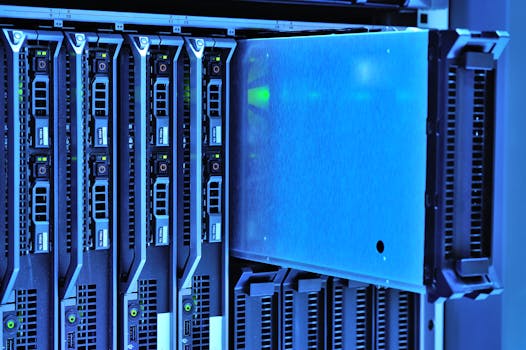
Powerful servers in a data center run the game at maximum settings. They process all inputs and render the game's graphics in real-time.

3
Video Stream Delivery

The rendered game output is encoded into a high-definition video stream. This stream is then sent back to your device over the internet.

4
Input & Playback

Your device receives the video stream and displays it, while simultaneously sending your controller inputs back to the server. This continuous loop allows for interactive gameplay.

Unpacking the Core Concept: What is Cloud Gaming Service?

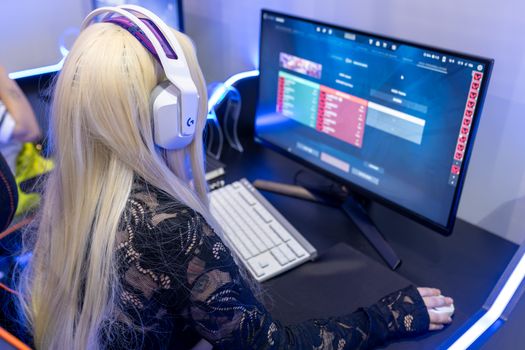
At its heart, a cloud gaming service is a revolutionary approach to playing video games, fundamentally altering how we interact with our favorite titles. Imagine a world where you don't need to buy an expensive gaming console or a high-end PC to enjoy the latest, most graphically demanding games. That's precisely the promise of cloud gaming. Instead of your device doing the heavy lifting of running the game, a remote server, often located hundreds or thousands of miles away in a data center, takes on that responsibility. Think of it like Netflix for video games. When you watch a movie on Netflix, the movie isn't stored on your TV; it's streamed to you from a remote server. Cloud gaming operates on the exact same principle, but with a crucial interactive layer. The game itself is executed on powerful, dedicated servers. These servers possess the cutting-edge hardware—fast processors, top-tier graphics cards, and ample memory—that would typically be found in a high-end gaming rig. When you initiate a game through a cloud gaming service, these servers spring into action. They process all the game's logic, render the intricate graphics, and handle all the complex calculations in real-time. Your device, whether it's a smartphone, a smart TV, a low-end laptop, or even a tablet, merely acts as a display and an input receiver. It sends your button presses, joystick movements, and mouse clicks over the internet to the remote server. The server interprets these inputs, updates the game state, and then encodes the resulting video and audio into a live stream. This stream is then instantly sent back to your device, giving you the illusion that the game is running locally. The magic truly lies in the low latency and high bandwidth required to make this seamless. The entire process, from your input traveling to the server, to the game's response being streamed back to you, must happen almost instantaneously to avoid noticeable delay, or 'lag,' which can severely impact the gaming experience. This technological feat is what defines modern cloud gaming services and sets them apart from traditional gaming methods. It's a paradigm shift, moving gaming from a hardware-centric model to a service-centric one, democratizing access to high-fidelity gaming for a much broader audience.

The Transformative Benefits of Gaming in the Cloud

The adoption of cloud gaming services brings with it a multitude of compelling advantages that are reshaping the landscape of interactive entertainment. One of the most significant benefits is the liberation from expensive hardware. Traditional high-fidelity gaming often necessitates a substantial upfront investment in a powerful PC or a current-generation console, which can cost hundreds, if not thousands, of dollars. Cloud gaming services effectively bypass this barrier. Since the heavy computational lifting is done on remote servers, your local device only needs to be capable of decoding a video stream and sending inputs. This means you can play graphically intensive AAA titles on devices that were never designed for gaming, such as older laptops, office PCs, smart TVs, or even smartphones and tablets. This accessibility dramatically broadens the audience for cutting-edge games, making them available to anyone with a compatible device and a decent internet connection. Another major advantage is instant access and zero downloads. With traditional gaming, acquiring a new game often involves lengthy download times, especially for modern titles that can exceed 100 gigabytes, followed by installation processes and often day-one patches. This can mean hours of waiting before you can actually start playing. Cloud gaming eliminates this frustration entirely. Once you select a game from the service's library, it begins streaming almost immediately, allowing you to jump straight into the action. There's no need to worry about storage space on your device, as the games reside on the cloud servers. This also means no more agonizing over which games to uninstall to make room for new ones. Furthermore, cloud gaming services offer unparalleled portability and cross-device play. Imagine starting a game on your gaming PC at home, pausing it, and then seamlessly picking it up on your tablet during your commute, or on your smart TV in another room. Many cloud gaming platforms support this kind of fluidity, allowing you to switch between devices without losing progress. This flexibility transforms gaming into a truly 'play anywhere' experience, adapting to your lifestyle rather than dictating it. Updates and patches are also handled server-side, meaning you never have to wait for a game to update before playing. The service providers ensure that the latest version of the game is always ready for you. This 'always up-to-date' feature, combined with the removal of hardware limitations and instant access, makes cloud gaming a truly compelling proposition for the modern gamer seeking convenience, flexibility, and access without compromise.

Navigating the Challenges and Requirements of Cloud Gaming

While the benefits of cloud gaming are substantial, it's equally important to understand the challenges and requirements to ensure an optimal experience. The single most critical factor for a successful cloud gaming session is a robust and stable internet connection. Because cloud gaming relies entirely on streaming, any instability or insufficient bandwidth can lead to a degraded experience. A slow connection can result in significant input lag, making games feel unresponsive and frustratingly delayed. Imagine pressing a button and your character reacting a full second later – this is the dreaded 'latency' that can ruin fast-paced games. Similarly, low bandwidth can cause the video stream to drop in quality, appearing pixelated, blurry, or even stuttering, transforming a beautiful AAA title into an unplayable mess. Most services recommend a minimum of 15-25 Mbps for 1080p streaming at 30-60 frames per second, with higher speeds (50-100+ Mbps) recommended for 4K resolution or competitive play. A wired Ethernet connection is almost always superior to Wi-Fi for stability and lower latency, though modern Wi-Fi 6 routers can offer a decent experience. Another consideration is data consumption. Since you are continuously streaming high-definition video, cloud gaming can consume a significant amount of internet data. A single hour of 1080p cloud gaming can easily use 5-10 GB of data, and 4K streaming can push that to 15-20 GB or more per hour. For users with data caps on their home internet plans, this can quickly become a costly affair. It's crucial to monitor your data usage and understand your internet plan's limitations before diving deep into cloud gaming. Furthermore, the selection of games available on cloud gaming services can vary widely. Unlike owning games outright, you are often beholden to the library offered by the specific service provider. Some services operate on a subscription model, providing access to a curated library, while others allow you to stream games you already own on platforms like Steam or Epic Games Store. This means you might not always find every game you want to play on every service, requiring you to potentially subscribe to multiple platforms or purchase games specifically supported by a particular service. Understanding these nuances is key to managing expectations and finding the cloud gaming solution that best fits your individual needs and internet infrastructure.

Choosing the Right Cloud Gaming Service: Tips and Considerations

With several prominent players in the cloud gaming arena, selecting the right service can feel daunting. Each platform offers a unique blend of features, game libraries, pricing models, and technical requirements. Understanding these differences is crucial for an optimal gaming experience. First and foremost, assess your internet connection. This is non-negotiable. Use online speed tests to determine your actual download and upload speeds, and perform latency tests to servers near potential cloud gaming data centers. If your connection is consistently below 25-30 Mbps and prone to high ping, you might struggle with even basic cloud gaming, regardless of the service. Next, consider the game library. Are you looking for a service that offers access to a wide variety of games as part of a subscription, or do you prefer to stream games you already own? Services like Xbox Cloud Gaming (part of Game Pass Ultimate) and PlayStation Plus Premium provide a rotating library of titles, often including first-party exclusives. GeForce NOW, on the other hand, acts more like a virtual gaming PC, allowing you to stream games you've purchased on PC platforms like Steam, Epic Games Store, and GOG. Amazon Luna also offers channel subscriptions for specific game publishers. Your existing game library and future purchasing habits will heavily influence this choice. Device compatibility is another key factor. Most services support a broad range of devices, including PCs, Macs, Android phones and tablets, iOS devices (often through web apps), and smart TVs. However, specific features or optimal performance might be tied to certain ecosystems. For instance, Xbox Cloud Gaming integrates seamlessly with Xbox controllers, and Stadia (while now defunct) was built around its own controller and Chromecast. Check if your preferred devices are fully supported and if any specific peripherals are recommended or required. Finally, evaluate the pricing model. Cloud gaming services typically operate on a monthly subscription fee, but some offer tiered plans that provide access to higher resolutions, longer session times, or better server priority. Some also offer free tiers with limitations, allowing you to test the service before committing. Compare the cost against the value you perceive, considering the games offered, performance, and overall convenience. Don't be afraid to try free trials where available to get a firsthand feel for latency and stream quality on your specific setup. Understanding these variables will empower you to make an informed decision and dive into the world of cloud gaming with confidence. Remember, the 'best' service is subjective and depends entirely on your personal needs, internet capabilities, and gaming preferences.

Comparison

FeatureXbox Cloud Gaming (Game Pass Ultimate)NVIDIA GeForce NOWAmazon Luna
Game Library ModelSubscription-based (curated library)Bring your own games (PC store integration)Channel-based subscriptions
Hardware RequirementLow (any compatible device)Low (any compatible device)Low (any compatible device)
Internet Speed (Min)20 Mbps (1080p)15 Mbps (720p), 25 Mbps (1080p)10 Mbps (720p), 35 Mbps (1080p)
Supported DevicesPC, Mobile, Smart TVs, XboxPC, Mac, Mobile, Shield TVPC, Mac, Fire TV, Mobile, Chrome/Edge
Free Tier Available✗ (Part of Game Pass Ultimate)✓ (1-hour sessions, wait times)✗ (Prime members get select games)
Cost (Monthly Avg)$16.99Free / $9.99-$19.99$4.99-$17.99 per channel

What Readers Say

"I was skeptical about what is cloud gaming service, but I'm converted! Being able to play Forza Horizon 5 on my old laptop is incredible. No downloads, just instant fun."

Sarah J. · Austin, TX

"GeForce NOW lets me access my Steam library on my Mac, which was unthinkable before. The quality is fantastic with my fiber internet. It truly feels like I'm playing on a high-end PC."

Mark D. · Seattle, WA

"As a busy parent, the flexibility of cloud gaming is a game-changer. I can squeeze in a quick session on my phone during lunch, then pick it up on the TV later. It's made gaming accessible again for me."

Emily R. · Miami, FL

"The convenience of Xbox Cloud Gaming is undeniable, especially for trying new titles. Sometimes I notice a tiny bit of latency in competitive games, but for most single-player experiences, it's perfectly fine."

David L. · Denver, CO

"I travel a lot for work, and thanks to cloud gaming, my Switch isn't my only portable console anymore. I can play full PC games on my tablet from hotel rooms, which is amazing for staying entertained."

Jessica T. · Boston, MA

Frequently Asked Questions

What is cloud gaming service fundamentally?

Cloud gaming service allows you to play video games remotely, where the game runs on powerful servers in a data center, and the video stream is sent to your device. Your device only needs to decode the video and send your inputs back to the server, removing the need for local high-end hardware.

Is cloud gaming service reliable, or will I experience a lot of lag?

The reliability and lag depend heavily on your internet connection (speed, stability, and proximity to servers). With a strong, stable, high-speed connection (ideally wired), most users experience minimal noticeable lag, making it a very reliable gaming option. Poor internet, however, will lead to significant latency.

How do I start using a cloud gaming service?

To start, choose a service (e.g., Xbox Cloud Gaming, GeForce NOW, Amazon Luna), sign up for a subscription, ensure you have a compatible device and a fast internet connection, and then launch the service's app or website. You'll then select a game and begin playing almost instantly.

How much does a cloud gaming service cost?

Costs vary by service. Most operate on a monthly subscription model, ranging from free tiers with limitations (like GeForce NOW's free plan) to premium subscriptions costing between $5-$20+ per month, often offering higher resolutions, longer session times, or a curated game library.

How does cloud gaming service compare to traditional console or PC gaming?

Cloud gaming offers unparalleled accessibility, portability, and eliminates the need for expensive hardware or game downloads. Traditional gaming provides local ownership, no internet dependency, and often slightly lower latency. Cloud gaming is about convenience and access; traditional is about raw local power and ownership.

Who should consider using a cloud gaming service?

Cloud gaming services are ideal for gamers who want to play high-end titles without investing in expensive hardware, those with limited storage space, frequent travelers, and individuals who prioritize convenience and flexibility to play across multiple devices. It's also great for trying out games before buying.

Are there any security risks associated with cloud gaming services?

Reputable cloud gaming services employ strong security measures to protect user data and accounts, similar to other online services. However, as with any online platform, it's crucial to use strong, unique passwords and enable two-factor authentication to safeguard your personal information.

What's the future outlook for cloud gaming services?

The future of cloud gaming looks bright, with continuous advancements in internet infrastructure (like 5G and fiber optics), server technology, and encoding techniques. Expect broader game libraries, lower latency, higher resolutions, and more seamless integration across devices, making it an increasingly dominant force in the gaming industry.

Now that you understand what is cloud gaming service, it's time to experience the future of play. Explore the various platforms, find the one that fits your needs, and unlock a world of gaming freedom on any device, anywhere.

Topics: cloud gaming servicecloud gaming explainedgaming streaming servicesplay games without consolefuture of gaming
Leo List
Brampton weed
Adultwork EstrelaBet Vai de Bet R7 Bet Betão Galera Bet Rainbet Bet9ja Shop SportyBet BetKing Sisal Loto Foot Hollywoodbets YesPlay Odibets RushBet Jugabet BetWarrior BetCity MSport betPawa Fortebet