What is Ray Tracing in Gaming? Unveiling Hyper-Realistic Graphics
Experience games like never before with stunningly accurate lighting, reflections, and shadows.
Explore Ray Tracing NowKey Takeaways
- ✓ Ray tracing simulates light's physical behavior for hyper-realistic graphics.
- ✓ It enhances reflections, shadows, and global illumination in real-time.
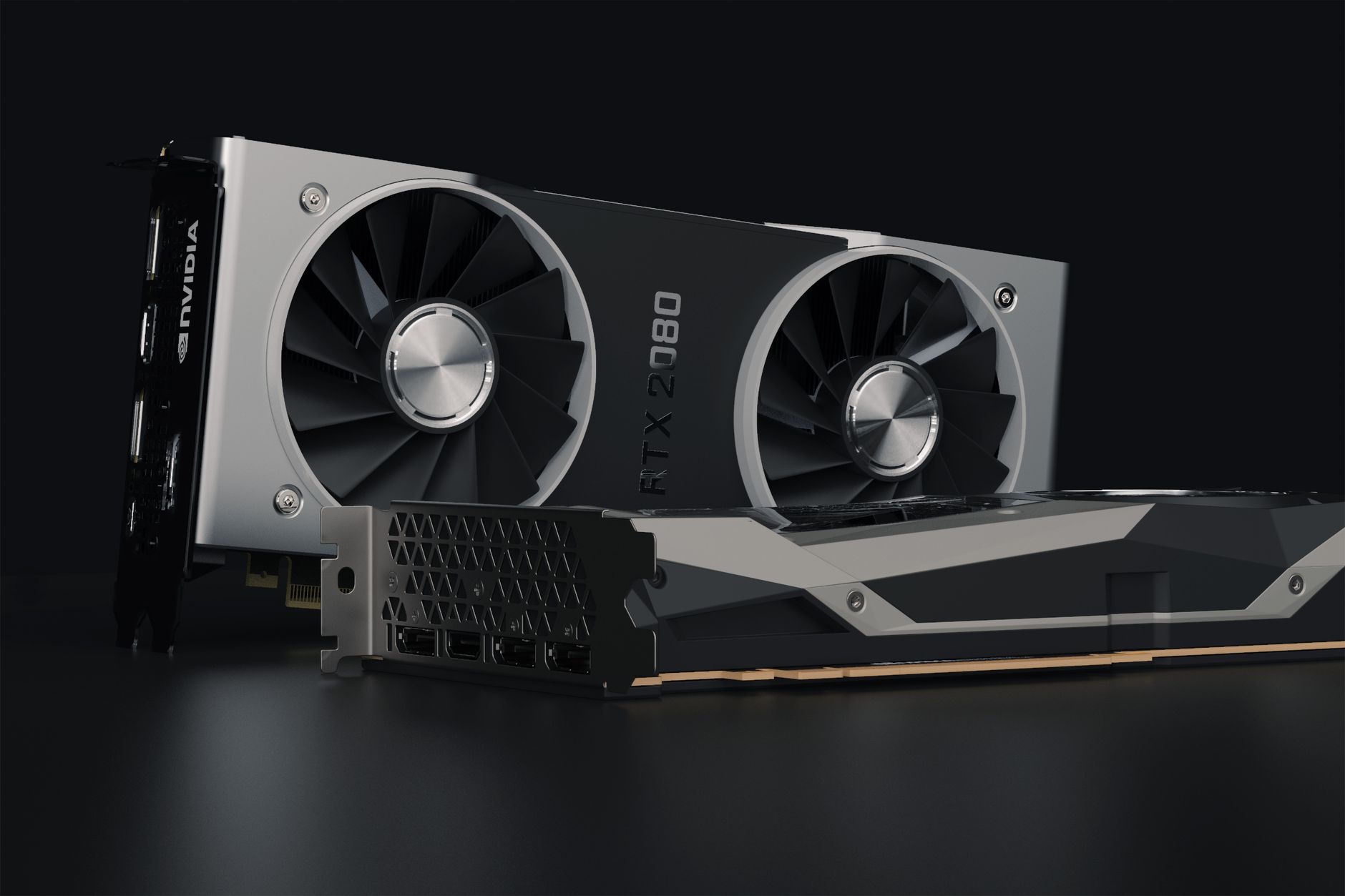
- ✓ Requires powerful GPUs like NVIDIA RTX or AMD Radeon RX 6000 series.
- ✓ Significantly improves visual fidelity but can impact performance.
How It Works
Rays of light are cast from the virtual camera (your viewpoint) into the game scene. These rays essentially act as probes, gathering information about the environment.
Each ray travels until it intersects with an object in the scene. The point of intersection is crucial for determining how light interacts with surfaces.
Upon intersection, the ray's behavior is calculated based on the object's material properties (e.g., reflective, refractive, diffuse). The ray can then bounce, reflect, or refract, creating secondary rays.
These secondary rays continue to interact with the environment, gathering information about light sources and other objects. This accumulated data is then used to accurately color and illuminate the original pixel on your screen, creating a realistic image.
Understanding the Fundamentals of Real-Time Ray Tracing
 Photo: Yan Krukau / Pexels
The Visual Impact: Reflections, Shadows, and Global Illumination
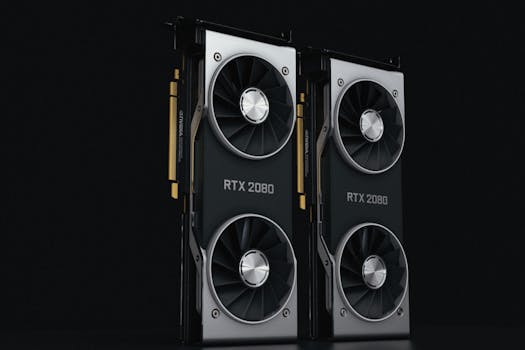 Photo: Nana Dua / Pexels
The Technology Behind the Magic: Hardware and Software Integration
 Photo: Nicolas Foster / Pexels
Optimizing Your Experience: Performance, Settings, and Future Trends
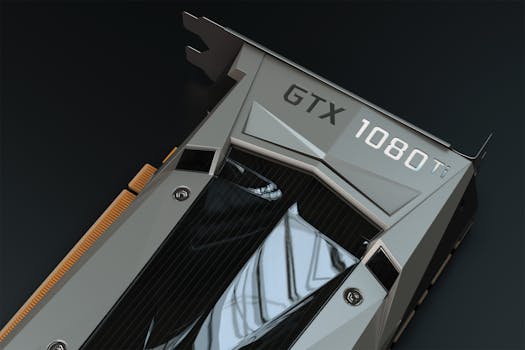 Photo: Nana Dua / Pexels
Comparison
| Feature | Ray Tracing | Traditional Rasterization | Benefit |
|---|---|---|---|
| Reflections | Physically accurate, dynamic, full scene | Screen-space, cube maps, often limited | Unparalleled realism and immersion |
| Shadows | Soft, physically correct, dynamic penumbra | Hard-edged, often aliased, static | Natural depth and object grounding |
| Global Illumination | Realistic indirect light bounce, color bleed | Pre-baked, faked ambient occlusion | Cohesive, naturally lit environments |
| Performance Cost | Higher | Lower | Visual fidelity vs. frame rate balance |
| Hardware Requirement | Dedicated RT Cores/Ray Accelerators | Standard GPU shaders | Requires modern, powerful GPUs |
What Readers Say
"Understanding what is ray tracing in gaming has completely changed how I appreciate game visuals. The reflections in Cyberpunk 2077 are mind-blowing with it enabled, making the city feel so much more alive."
Alex P. · Seattle, WA"I was skeptical about ray tracing, but after upgrading my GPU, the difference in games like Control is astonishing. The lighting and shadows create an atmosphere you just can't get otherwise."
Sarah L. · Austin, TX"My new setup with ray tracing makes games feel truly next-gen. The level of detail in reflections and the natural light bounce has genuinely enhanced my immersion by a huge margin."
Mark D. · Miami, FL"Ray tracing is incredible for visuals, but you definitely need a powerful card to run it smoothly. I had to tweak some settings, but the enhanced realism is worth the effort, especially with DLSS."
Jessica R. · Denver, CO"As a developer, seeing what is ray tracing in gaming achieve in real-time is revolutionary. It opens up so many possibilities for environmental storytelling and visual fidelity that were once impossible."
Chris B. · Chicago, ILFrequently Asked Questions
What is ray tracing in gaming, really?
Ray tracing in gaming is an advanced rendering technique that simulates the physical behavior of light rays in a virtual environment. It accurately calculates how light bounces, reflects, and refracts off surfaces, creating hyper-realistic lighting, reflections, and shadows that significantly enhance visual fidelity and immersion.
Do I need a special GPU for ray tracing?
Yes, to experience real-time ray tracing in games, you need a modern graphics card with dedicated ray tracing hardware. This includes NVIDIA's RTX series GPUs (with RT Cores) or AMD's Radeon RX 6000 series and newer (with Ray Accelerators).
How do I enable ray tracing in my games?
To enable ray tracing, first ensure your GPU supports it and your drivers are up to date. Then, launch a game that supports ray tracing and navigate to its graphics settings menu. You should find a dedicated 'Ray Tracing' option or section where you can toggle it on and adjust its quality settings.
Is ray tracing worth the performance hit?
Whether ray tracing is 'worth it' depends on your personal preference and hardware. It offers a significant visual upgrade, especially for reflections and global illumination. However, it does come with a performance cost. Utilizing upscaling technologies like DLSS or FSR can often mitigate this performance impact, making it a worthwhile trade-off for many players seeking the best possible visuals.
How does ray tracing compare to traditional rasterization?
Traditional rasterization approximates light and shadows for efficiency, while ray tracing physically simulates light's path for accuracy. Ray tracing delivers superior reflections, softer shadows, and more realistic global illumination, but at a higher computational cost compared to rasterization.
Who benefits most from ray tracing in gaming?
Players who prioritize visual fidelity and immersion, have a powerful modern gaming PC, and enjoy games with rich, detailed environments, especially those with reflective surfaces or complex lighting, will benefit most from ray tracing. It's particularly impactful in genres like atmospheric single-player adventures, open-world games, and visually driven titles.
Does ray tracing pose any risks to my hardware?
No, using ray tracing does not pose any inherent risks to your hardware. It simply utilizes your GPU's capabilities more intensively, leading to higher power consumption and heat generation, which your cooling system is designed to handle. Ensure your system has adequate cooling for prolonged gaming sessions, as with any demanding game.
What's next for ray tracing in gaming?
The future of ray tracing in gaming includes more efficient hardware, broader adoption across more titles, and potentially deeper integration with AI and machine learning for even more sophisticated and less performance-intensive effects. We can expect increasingly photorealistic and immersive game worlds as the technology matures.
Ready to transform your gaming experience? Explore what is ray tracing in gaming further and see how this groundbreaking technology can elevate your favorite titles to a new level of visual realism. Dive into worlds where light behaves as it does in reality, offering an unparalleled sense of presence and immersion.