✓ High DPI isn't the only metric for a good gaming mouse; sensor quality matters more.
✓ Ergonomics are crucial for long gaming sessions, preventing discomfort and improving performance.
✓ Wired mice often offer lower latency and are generally more affordable than wireless alternatives.
✓ Many budget gaming mice now feature customizable RGB, programmable buttons, and durable switches.
How It Works
1
Define Your Gaming Style
Consider if you're a casual gamer, an FPS enthusiast, or an MMO player. Different genres benefit from specific mouse features like button count or weight.
2
Prioritize Key Features
Decide what's most important: sensor accuracy, button programmability, comfort, or weight. Budget mice often require some compromise, so identify your non-negotiables.
3
Read Reviews and Compare
Look for independent reviews focusing on sensor performance, build quality, and software support. Compare specifications and user experiences across several models within your budget.
4
Test if Possible (or Research Dimensions)
If you can, physically try out mice to assess their feel in your hand. If not, research dimensions and compare them to mice you've used comfortably before to ensure a good fit.
Unleash Your Potential: Why a Budget Gaming Mouse Doesn't Mean Compromise
Photo: Pixabay / Pexels
For years, the perception has been that serious gamers must invest hundreds of dollars into their peripherals to gain a competitive edge. This simply isn't true anymore, especially when it comes to finding the best budget gaming mouse. The market has evolved dramatically, with manufacturers understanding the need for high-performance gear that doesn't break the bank. Today, you can find mice equipped with excellent optical sensors, durable switches, and ergonomic designs that rival their premium counterparts, all while staying well within an affordable price range. The key is knowing what to look for and where to make smart trade-offs. You might not get every single bells and whistles feature, like ultra-low latency wireless connectivity or a dozen customizable weights, but you can absolutely secure a mouse that offers exceptional tracking, responsive clicks, and comfortable handling for hours of gaming. This guide aims to demystify the budget gaming mouse landscape, helping you navigate the options and identify the hidden gems that will elevate your gameplay without emptying your wallet. We'll delve into the critical specifications, common misconceptions, and provide actionable advice to ensure your next gaming mouse purchase is a smart one. Many budget options now boast impressive DPI ranges, often exceeding what most professional gamers even use, alongside robust build quality designed to withstand the rigors of intense gaming sessions. The focus for budget-friendly models has shifted from flashy, often unnecessary features, to core performance metrics that genuinely impact your gaming experience. This means you’re more likely to find a mouse with a fantastic sensor and reliable buttons than one with excessive RGB lighting or an overly complex software suite. Ultimately, the best budget gaming mouse isn't just about saving money; it's about making an intelligent investment in a tool that will directly contribute to your enjoyment and success in your favorite titles. Discover how to optimize your gaming setup for maximum performance, starting with the right mouse. Understanding the nuances of sensor types, polling rates, and switch durability will empower you to make an informed decision, ensuring that your budget mouse choice is a strategic one, not merely a cost-cutting measure. You’ll be surprised at the level of quality and features available, proving that high performance gaming doesn't always come with a high price tag. We believe that every gamer, regardless of budget, deserves access to equipment that enhances their skill and enjoyment, and the current crop of budget gaming mice delivers precisely that.
Key Features to Look For in an Affordable Gaming Mouse
Photo: Matheus Bertelli / Pexels
When hunting for the best budget gaming mouse, it's easy to get overwhelmed by technical jargon and marketing hype. To cut through the noise, focus on these core features that truly impact performance and user experience. First and foremost is the sensor. An optical sensor is generally preferred over a laser sensor for gaming due to its superior tracking on a wider variety of surfaces and lack of acceleration issues. Look for mice with PixArt sensors, as these are widely regarded as industry leaders, even in budget models. While DPI (Dots Per Inch) is often advertised, a high number isn't inherently better. What matters is a consistent, accurate sensor that tracks your movements precisely without jitter or prediction. Most gamers find a sweet spot between 400-3200 DPI, and many budget mice offer adjustable DPI settings within this range. Next, consider the switches. The left and right click buttons are your primary interaction points, and their responsiveness and durability are crucial. Omron switches are a popular choice, known for their tactile feedback and longevity (often rated for millions of clicks). Avoid generic switches if possible, as they can feel mushy or fail prematurely. The polling rate, measured in Hz, dictates how often the mouse reports its position to your computer. A higher polling rate means less input lag. Aim for at least 500Hz, with 1000Hz being ideal and commonly found even on budget models. Ergonomics are subjective but incredibly important for comfort during extended gaming sessions. Consider your grip style (palm, claw, fingertip) and hand size when evaluating a mouse's shape. Some mice are designed for ambidextrous use, while others are specifically right- or left-handed. Weight is another factor; lighter mice are often preferred for fast-paced FPS games, while heavier mice can offer more stability. Many budget mice are lightweight by default, which is a bonus. Programmable buttons can be a huge advantage, allowing you to assign macros or specific in-game actions, streamlining your workflow. While not as extensive as on premium MMO mice, even 2-3 extra side buttons can make a big difference. Finally, software support can enhance the mouse's functionality, allowing for DPI adjustment, button remapping, and RGB customization. While some budget mice rely on driver-less plug-and-play, others offer surprisingly robust software suites. Prioritizing these features will ensure you select a budget gaming mouse that delivers exceptional performance where it counts, allowing you to focus on the game rather than your gear.
Top Contenders: The Best Budget Gaming Mouse Models Under $50
Photo: Эдуард Галеев / Pexels
Navigating the budget gaming mouse market can feel like a treasure hunt, but there are several standout models that consistently deliver exceptional value and performance. These mice prove that you don't need to spend a fortune to get a competitive edge. One perennial favorite is the HyperX Pulsefire Core. This mouse often sits comfortably in the sub-$30 range and offers an excellent PixArt 3327 optical sensor, providing precise tracking up to 6,200 DPI. Its symmetrical design caters to both left and right-handed users, and its comfortable rubberized side grips ensure a secure hold. With 7 programmable buttons and customizable RGB lighting through HyperX NGENUITY software, it's a feature-rich option that punches well above its weight class. Another strong contender is the Razer DeathAdder Essential. While not as advanced as its Elite or V2 counterparts, the Essential still carries the iconic DeathAdder ergonomic shape, beloved by countless gamers for its comfort. It features a 6,400 DPI optical sensor, 5 independently programmable Hyperesponse buttons, and durable mechanical switches. Razer's Synapse 3 software further enhances its customization options, making it an incredible value for its price point, often found for around $20-$30. For those who prefer a more ambidextrous design with a focus on raw performance, the Logitech G203 LIGHTSYNC (or its predecessor, the Prodigy) is an outstanding choice. Utilizing Logitech's proprietary "gaming-grade" sensor (often based on PixArt technology), it offers accurate tracking up to 8,000 DPI. Its classic, clean design is comfortable for various grip styles, and its 6 programmable buttons are easily customized via Logitech G HUB software. The LIGHTSYNC RGB adds a touch of flair without being overbearing. If you're looking for something with a bit more flair and a slightly different ergonomic profile, consider the Redragon M711 Cobra. This mouse boasts a high-precision sensor up to 10,000 DPI (interpolated, but still very capable), 7 programmable buttons, and vibrant RGB lighting. While its software might not be as polished as Razer or Logitech, it offers incredible customization for its price, usually hovering around $20. These models represent the cream of the crop in the budget segment, offering a compelling blend of sensor performance, build quality, and features that will satisfy most gamers without requiring a significant financial outlay. They are testaments to how far gaming peripheral technology has come, making high-performance gaming accessible to everyone.
Common Mistakes to Avoid When Buying a Budget Gaming Mouse
Photo: FOX ^.ᆽ.^= ∫ / Pexels
Even with a clear understanding of what makes a good gaming mouse, it's easy to fall into common traps when shopping on a budget. Avoiding these pitfalls will ensure you get the best value and performance for your money. Here are some key mistakes to steer clear of:
* **Prioritizing DPI above all else:** While a high DPI number looks impressive on a spec sheet, it's largely irrelevant for most gamers. A 20,000 DPI sensor won't make you a better player if it suffers from poor tracking accuracy, jitter, or acceleration. Focus on sensor quality (e.g., PixArt 3360, 3327, or similar) rather than just the maximum DPI number. Most pro gamers use DPI settings between 400-1600. A stable, accurate sensor at lower DPIs is far superior to a high-DPI sensor with flaws.
* **Ignoring ergonomics for flashy looks:** A mouse might look cool with aggressive angles and intense RGB, but if it's uncomfortable to hold for extended periods, it will hinder your performance and potentially cause discomfort or injury. Always consider your hand size and grip style. Read reviews that discuss comfort and shape extensively. A plain-looking but comfortable mouse will always outperform a visually appealing but ill-fitting one.
* **Overlooking software support:** Many budget mice come with basic plug-and-play functionality, which is fine for simple use. However, a mouse with dedicated software (like Razer Synapse, Logitech G HUB, HyperX NGENUITY) offers immense customization. This includes remapping buttons, creating macros, fine-tuning DPI steps, adjusting polling rates, and customizing RGB lighting. Robust software adds significant value and flexibility to a budget mouse.
* **Opting for unknown brands without research:** The budget market is flooded with generic brands, especially on online marketplaces. While some can be surprisingly good, many offer subpar sensors, cheap switches, and poor build quality. Stick to reputable brands known for their gaming peripherals (even their budget lines) or thoroughly research lesser-known brands with a strong track record and positive user reviews. Check for reviews that specifically mention sensor performance and build durability.
* **Forgetting about cable quality:** A cheap, stiff, or braided cable can create drag, snag on your desk, and detract from the mouse's otherwise good performance. Look for mice with flexible, lightweight cables (often called paracord-like or 'speedflex' cables) that minimize resistance. While not always a deal-breaker, a good cable significantly improves the overall user experience and contributes to the feeling of a premium product, even on a budget. Avoiding these common mistakes will guide you toward a more satisfying and effective purchase, ensuring your best budget gaming mouse truly lives up to its potential.
Comparison
Feature
HyperX Pulsefire Core
Razer DeathAdder Essential
Logitech G203 LIGHTSYNC
Sensor
PixArt 3327 Optical
Optical (6,400 DPI)
Gaming-Grade Optical (8,000 DPI)
DPI Range (Max)
6,200
6,400
8,000
Programmable Buttons
7
5
6
Switches
Omron (20M clicks)
Mechanical (10M clicks)
Mechanical
Polling Rate
1000Hz
1000Hz
1000Hz
Ergonomics
Symmetrical
Right-Handed
Symmetrical
RGB Lighting
✓
Single Zone Green
✓ (LIGHTSYNC)
Software
HyperX NGENUITY
Razer Synapse 3
Logitech G HUB
What Readers Say
★★★★★
"I picked up the HyperX Pulsefire Core on a recommendation, and it's been a game-changer for my FPS titles. The sensor is incredibly accurate, and I haven't noticed any lag. For the price, it's unbeatable."
Alex K. · Austin, TX
★★★★★
"The Razer DeathAdder Essential feels just like the more expensive versions I've tried, but at a fraction of the cost. My hand fits it perfectly, and the clicks are super responsive. I'm hitting more headshots now!"
Maria S. · Orlando, FL
★★★★★
"Switched to the Logitech G203 LIGHTSYNC after my old mouse died, and I'm genuinely impressed. The tracking is flawless, and the customizable buttons through G HUB have really streamlined my workflow in MMOs. My K/D ratio has definitely seen an uptick."
Ben T. · Seattle, WA
★★★★★
"The Redragon M711 Cobra is fantastic for the price, especially with the RGB and extra buttons. My only minor gripe is the software can be a bit clunky, but once you set it up, it works great. Solid choice if you're on a super tight budget."
Chloe L. · Denver, CO
★★★★★
"As a casual gamer who also does a lot of graphic design, the Logitech G203 has been perfect. It's precise enough for work and responsive enough for my evening gaming sessions. It's truly the best budget gaming mouse I've owned for dual purpose use."
David R. · Boston, MA
Frequently Asked Questions
What is the most important feature to look for in the best budget gaming mouse?
The most crucial feature is the sensor. An accurate and consistent optical sensor (like a PixArt 33xx series) is paramount, as it directly impacts tracking precision and responsiveness. While DPI is often highlighted, a high number doesn't guarantee quality; focus on the sensor's overall performance and lack of acceleration or jitter.
Will a budget gaming mouse last as long as an expensive one?
Many budget gaming mice from reputable brands now use durable components like Omron switches, rated for millions of clicks, and robust build materials. While ultra-premium mice might have slightly better overall longevity, a well-chosen budget mouse can easily last for several years of intensive gaming if properly cared for.
How do I choose the right size and shape for my hand when buying a budget gaming mouse?
Consider your grip style (palm, claw, or fingertip) and hand measurements. Research mouse dimensions and compare them to mice you've found comfortable in the past. Many reviews also describe the mouse's feel and suitability for different hand sizes and grip types, which can be invaluable guidance.
Are wireless budget gaming mice worth considering?
While wireless technology has improved significantly, budget wireless gaming mice often make compromises on sensor quality, battery life, or introduce noticeable latency compared to wired options in the same price range. For competitive gaming on a budget, a wired mouse generally offers more reliable performance and better value.
How does a budget gaming mouse compare to a standard office mouse for gaming?
A budget gaming mouse offers a significant upgrade over a standard office mouse for gaming. It typically features a much more accurate sensor, higher polling rate for less input lag, more durable and responsive switches, and often programmable buttons and ergonomic designs tailored for gaming, all of which enhance performance and comfort.
Who should buy the best budget gaming mouse?
Anyone who wants to improve their gaming experience without overspending. This includes casual gamers, esports aspirants on a tight budget, students, or even experienced players looking for a reliable backup mouse. It's perfect for those who prioritize core performance over excessive features.
Are there any risks associated with buying a very cheap, no-name gaming mouse?
Yes, there are risks. Very cheap, no-name mice often use inferior sensors that suffer from tracking issues, unreliable switches that fail quickly, and poor build quality. They might also lack proper software support, making customization impossible. It's generally safer to stick with budget offerings from established brands.
What future trends can we expect in the best budget gaming mouse market?
We can expect continued improvements in sensor efficiency and accuracy, potentially leading to more reliable budget wireless options. Lighter designs, more flexible cables, and further refinement of ergonomic shapes will likely trickle down from premium models, offering even better performance and comfort at lower price points.
Don't let a limited budget hold back your gaming potential. The best budget gaming mouse is out there, waiting to elevate your play without emptying your wallet. Use this guide to make an informed decision and invest in a peripheral that truly makes a difference in your favorite games.
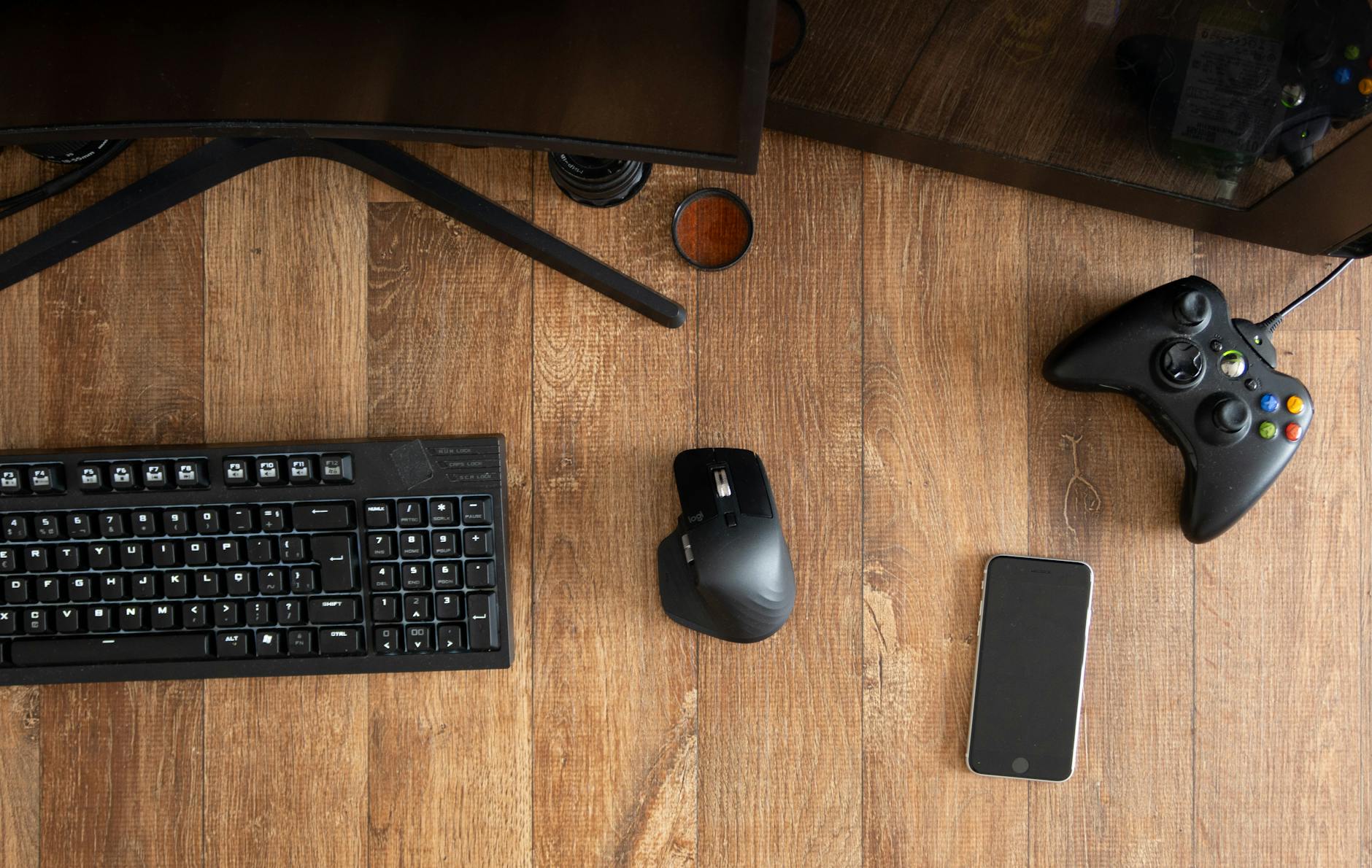
 Photo: Pixabay / Pexels
 Photo: Matheus Bertelli / Pexels
 Photo: Эдуард Галеев / Pexels
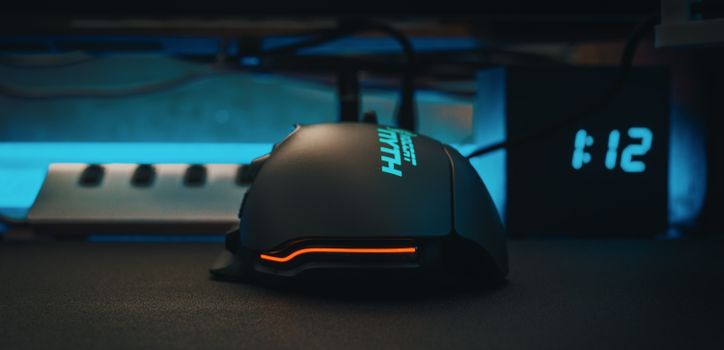 Photo: FOX ^.ᆽ.^= ∫ / Pexels