Gaming Chair vs Office Chair Comfort: Your Ultimate Guide
Unlock superior comfort and health for your long hours at the desk, whether gaming or working, with this definitive comparison.
Find Your Perfect ChairKey Takeaways
- ✓ Gaming chairs are often designed for dynamic postures, mimicking racing car seats.
- ✓ Office chairs prioritize static, neutral posture support for prolonged sitting.
- ✓ Ergonomics are crucial in both, but their application differs significantly.
- ✓ Personal body type and usage patterns heavily influence which chair is more comfortable and beneficial.
How It Works
Determine if you primarily game, work, or do a mix of both. This dictates the priority of features like recline vs. lumbar support.
Learn about key ergonomic principles like adjustable lumbar support, seat depth, armrests, and headrests. These are vital for long-term health.
Examine the typical designs of gaming chairs (bucket seat, high back) versus office chairs (mesh, minimalist, executive). Each has distinct comfort profiles.
Look for chairs with extensive adjustability to fit your body perfectly and consider material choices like mesh, fabric, or PU leather for breathability and durability.
Understanding the Core Differences in Chair Design and Ergonomics
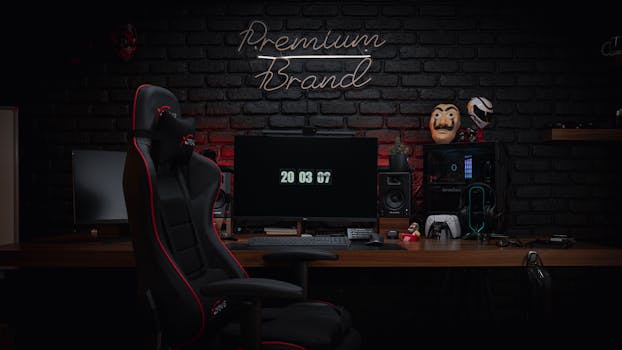 Photo: Oğuzhan Öncü / Pexels
In stark contrast, gaming chairs emerged from the racing car seat aesthetic, prioritizing a more dynamic and often reclined posture, which resonates with the intense, immersive nature of gaming. Their high backs and winged shoulders are designed to cradle the user, offering a sense of enclosure and support during rapid movements or shifts in focus. Many gaming chairs feature a deep recline function, sometimes up to 180 degrees, allowing gamers to kick back during cutscenes or breaks. This feature, while appealing for relaxation, isn't always conducive to maintaining optimal ergonomic posture during active gameplay. The included lumbar and neck pillows, often detachable, aim to provide additional support, though their effectiveness can vary depending on the user's body shape and how they are positioned. The aesthetic appeal of gaming chairs, with their vibrant colors, prominent branding, and often 'bucket seat' design, is a significant selling point, creating an immersive experience that aligns with the gaming culture. However, this focus on style can sometimes overshadow core ergonomic considerations. While some high-end gaming chairs incorporate advanced adjustability similar to office chairs, many entry-level and mid-range options might sacrifice nuanced ergonomic features for a more striking appearance. The choice between these two types of chairs ultimately hinges on understanding these fundamental design philosophies and aligning them with your personal usage patterns and health priorities. For more insights into specialized gaming setups, explore our dedicated guides.
Ergonomics: The Unsung Hero of Long-Term Comfort and Health
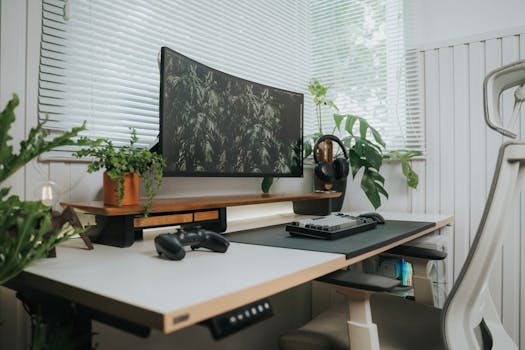 Photo: Minh Phuc / Pexels
Gaming chairs, while often boasting 'ergonomic' labels, approach support from a slightly different angle. Their emphasis on a full-back, high-recline design caters to the dynamic postures gamers adopt, from leaning forward in intense moments to reclining during breaks. The characteristic lumbar and neck pillows are meant to fill the gaps created by the bucket seat design, providing targeted support. However, the 'one-size-fits-all' nature of these pillows, or their often fixed positions, may not suit every body type. While some high-end gaming chairs offer sophisticated adjustability for armrests and tilt, their primary form factor—the bucket seat—can sometimes restrict movement and naturally encourage a more slouched posture in the lumbar region for certain individuals. The winged sides of the seat and backrest, while contributing to the racing aesthetic, can also be restrictive for wider individuals, potentially causing discomfort over time. The materials, often PU leather, can sometimes lead to heat retention, diminishing comfort during long sessions compared to breathable mesh. The challenge with gaming chairs lies in balancing their appealing aesthetic and dynamic recline features with the rigorous ergonomic principles essential for long-term health. While they excel in providing a visually engaging and often immersive experience, users must pay close attention to the specific adjustability features and how well the chair genuinely supports their body's natural curvature during active use. Understanding these nuances in ergonomic application is key to making an informed decision that prioritizes both comfort and health, whether you're battling foes in a virtual world or conquering spreadsheets in the real one.
Making the Right Choice: Factors Beyond Just Comfort
 Photo: Yan Krukau / Pexels
Another significant consideration is your body type and specific health concerns. Individuals with pre-existing back issues, chronic pain, or those who are particularly tall or short will benefit immensely from the granular adjustability offered by a high-quality office chair. The ability to tailor every aspect of the chair to your unique physique is invaluable for preventing exacerbation of conditions and promoting healing. Gaming chairs, with their more stylized and often less customizable designs, might not offer the precise support needed for these specific situations. Furthermore, the material choice plays a huge role in long-term comfort. Breathable mesh or high-quality fabric, often found in office chairs, can prevent sweating and discomfort during extended use, especially in warmer climates. While PU leather is common in gaming chairs for its sleek look, it can trap heat. The durability and build quality are also crucial; a well-constructed ergonomic office chair can last for a decade or more, making its higher initial cost a sound long-term investment. Ultimately, the 'comfort' you seek should encompass not just immediate softness, but also sustained support, health benefits, and adaptability to your unique needs. Don't overlook the importance of proper desk height and monitor placement to complete your ergonomic setup.
Avoiding Common Pitfalls and Maximizing Your Chair's Potential
 Photo: Ron Lach / Pexels
Another mistake is neglecting the chair's materials and build quality. A cheaper chair made with low-density foam or flimsy components will quickly lose its comfort and support, regardless of its initial design. Invest in a chair with high-density foam, a robust frame (steel or aluminum is preferable), and durable upholstery. Regularly check for loose screws or parts and tighten them as needed. Clean the upholstery according to manufacturer instructions to prevent wear and tear. For chairs with caster wheels, occasionally clean them to ensure smooth movement and prevent damage to your flooring. Furthermore, remember that even the best ergonomic chair is not a substitute for movement. Take regular breaks – stand up, stretch, walk around – every 30-60 minutes. This not only benefits your musculoskeletal system but also improves circulation and mental alertness. Don't rely solely on the chair to solve all your ergonomic problems; it's part of a larger ergonomic ecosystem that includes your desk, monitor setup, and your own habits. By actively engaging with your chair's features, maintaining it properly, and incorporating regular movement, you can significantly enhance your comfort, health, and overall experience, whether you're working or gaming.
Comparison
| Feature | Ergonomic Office Chair | Gaming Chair (Typical) | Premium Gaming Chair |
|---|---|---|---|
| Primary Design Goal | Sustained neutral posture, productivity | Dynamic sitting, immersive aesthetics | Balanced posture & immersion |
| Lumbar Support | Highly adjustable (height/depth) | Adjustable pillow (variable effectiveness) | Integrated, adjustable support |
| Armrests | 3D/4D adjustable, robust | 2D/3D adjustable, often less robust | 3D/4D adjustable, robust |
| Seat Depth Adjustability | ✓ (common) | ✗ (rare) | ✓ (some models) |
| Recline Range | Moderate (120-135 degrees) | Extreme (up to 180 degrees) | Wide (135-165 degrees) |
| Materials (Typical) | Mesh, high-quality fabric | PU Leather, PVC | PU Leather, fabric, real leather |
| Aesthetic | Professional, minimalist | Aggressive, racing-inspired | Sporty, often refined |
| Price Range | $$$ - $$$$ | $ - $$$ | $$$ - $$$$ |
What Readers Say
"Switched from a gaming chair to an ergonomic office chair for my WFH setup. The difference in gaming chair vs office chair comfort is night and day. My lower back pain is almost gone, and I can focus for much longer without shifting around."
Alex R. · Seattle, WA"As a streamer, I spend 8+ hours in my chair. I used to love the look of gaming chairs, but after trying a high-end office chair, the sustained comfort and support are undeniable. My posture has improved dramatically."
Maria C. · Austin, TX"My old gaming chair left me with constant neck stiffness. Upgrading to an ergonomic office chair with proper headrest and lumbar support has been a game-changer. I now feel refreshed even after long sessions."
Ben K. · Orlando, FL"I appreciate the style of my gaming chair, and the recline is great for relaxing. However, for serious work sessions, I do find myself wishing for more precise lumbar adjustment. It's a trade-off I'm learning to manage."
Jessica L. · Denver, CO"I game for hours and also work from home. I ended up getting a premium ergonomic office chair, and it supports both activities perfectly. It's truly the best of both worlds regarding gaming chair vs office chair comfort."
David P. · Chicago, ILFrequently Asked Questions
Which is generally better for back health: a gaming chair or an office chair?
Generally, a well-designed ergonomic office chair is superior for long-term back health. They are engineered to promote a neutral, healthy spinal alignment for prolonged static sitting, offering more precise and adjustable lumbar support, seat depth, and armrest features that cater to a wider range of body types and ergonomic needs. Gaming chairs, while often comfortable for dynamic postures, might not provide the same level of sustained, customizable ergonomic support.
Are gaming chairs just office chairs with different aesthetics?
While there's some overlap, gaming chairs are not just re-skinned office chairs. They often adopt a racing-style bucket seat design, prioritizing a more reclined and immersive experience with high backs and prominent wing supports. Office chairs, by contrast, focus on a more professional, adaptable design centered on promoting neutral posture for work tasks. High-end gaming chairs are beginning to integrate more advanced ergonomic features, blurring the lines, but their core design philosophies remain distinct.
How do I properly adjust my chair for maximum comfort?
To maximize comfort, ensure your feet are flat on the floor or a footrest, with knees at a 90-degree angle. Adjust seat height so your forearms are parallel to the desk. Your lumbar support should fit the curve of your lower back, and armrests should support your forearms without shrugging your shoulders. Experiment with backrest tilt to find a comfortable, supportive recline that allows for dynamic movement.
Is a more expensive chair always more comfortable?
Not necessarily, but there's a strong correlation. More expensive chairs typically use higher quality materials (high-density foam, durable upholstery, robust frames) and offer a greater range of precise adjustments, which contribute significantly to long-term comfort and support. A cheaper chair might feel comfortable initially but can quickly degrade. However, the 'most expensive' isn't always the 'best' for *your* body; fit and adjustability are key.
Can I use an office chair for gaming, or a gaming chair for office work?
Yes, you can use an office chair for gaming, and many professional gamers actually prefer high-end ergonomic office chairs for their superior support during long, focused sessions. Similarly, you can use a gaming chair for office work, but be mindful of its ergonomic limitations. If it lacks adequate, adjustable lumbar support and seat depth, it might lead to discomfort and poor posture during prolonged work. Prioritize adjustability and ergonomic features over aesthetics for whichever primary activity you choose.
Who should prioritize a gaming chair vs office chair comfort?
Individuals who spend the majority of their day working at a desk, especially those with pre-existing back or neck issues, should prioritize an ergonomic office chair for its superior, customizable support. Gamers who value immersion, dynamic reclining, and a specific aesthetic might lean towards a gaming chair, but should still seek models with robust ergonomic features. For those who do both extensively, a high-end ergonomic office chair often provides the best all-around solution.
Are there any health risks associated with choosing the wrong chair?
Yes, choosing the wrong chair or using a poorly adjusted one can lead to various health risks. These include chronic back pain (especially lower back), neck and shoulder strain, carpal tunnel syndrome, poor circulation, and even digestive issues due to improper posture. Over time, these can develop into more serious musculoskeletal disorders. Investing in an ergonomically sound chair and using it correctly is vital for long-term health.
What are the future trends in chair design for comfort?
Future trends in chair design are likely to focus on even greater personalization and integration with technology. Expect more adaptive chairs that use sensors to monitor posture and provide real-time feedback, smart materials that actively regulate temperature and pressure, and designs that further promote dynamic sitting and micro-movements. The lines between gaming and office chairs may continue to blur as both incorporate the best ergonomic principles for diverse user needs.
Ultimately, the decision between gaming chair vs office chair comfort boils down to understanding your specific needs, body type, and priorities. Don't compromise on your health for aesthetics alone. Take the time to research, compare, and invest in a chair that truly supports you, allowing you to game harder, work smarter, and live more comfortably.