
The Rich History of Video Game Consoles: From Pixels to Powerhouses
Journey through decades of innovation, iconic systems, and the games that defined generations of players.
Start Your Gaming JourneyKey Takeaways
- ✓ The first home video game console, the Magnavox Odyssey, was released in 1972.
- ✓ Atari's Pong, initially an arcade game, fueled the home console market boom.
- ✓ The 1983 video game crash nearly ended the industry, but Nintendo's NES revived it.
- ✓ Sony's PlayStation challenged Nintendo and Sega, introducing CD-ROM gaming and 3D graphics to the mainstream.
How It Works
Discover the very first prototypes and commercial releases that laid the groundwork for home gaming. Understand the fundamental technologies that made early consoles possible.
Trace the evolution through distinct eras, from 8-bit to current-gen, identifying key technological advancements and market shifts. See how each generation built upon the last.
Examine how consoles influenced culture, technology, and entertainment throughout their history. Recognize the pivotal moments, including booms and busts, that shaped the industry.
Gain insights into the design philosophies and groundbreaking games of legendary consoles like the Atari 2600, NES, PlayStation, and more. Connect with the nostalgia and innovation.
The Dawn of Digital Entertainment: Early Video Game Consoles
 Photo: beso Tsikhelashvili / Pexels
The Crash, The Comeback, and the Console Wars
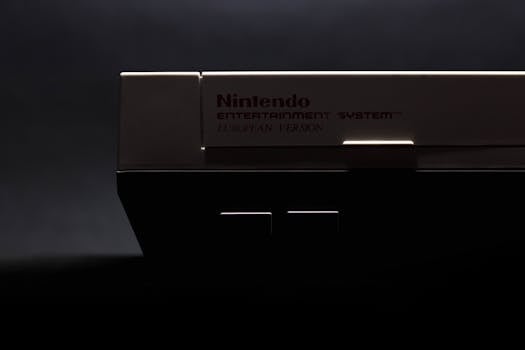 Photo: Tomasz Filipek / Pexels
The 3D Revolution and the Rise of New Giants
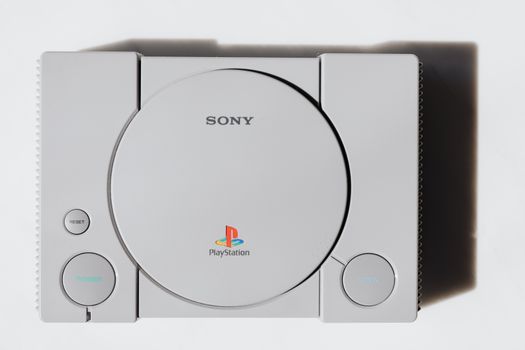 Photo: https://kaboompics.com/ / Pexels
Modern Gaming: Connectivity, Power, and Diverse Experiences
 Photo: Roberto / Pexels
Comparison
| Feature | Atari 2600 | Nintendo NES | Sony PlayStation | Xbox Series X |
|---|---|---|---|---|
| Release Year | 1977 | 1985 (NA) | 1995 (NA) | 2020 |
| Primary Media | Cartridge | Cartridge | CD-ROM | Blu-ray / Digital |
| Graphics | 8-bit | 8-bit | 3D Polygons | 4K HDR |
| Online Play | ✗ | ✗ | Limited (via adaptor) | ✓ |
| Key Innovation | Cartridge games | Quality control, D-pad | CD-ROM, 3D gaming | Ray tracing, SSD, Game Pass |
What Readers Say
"This article on the history of video game consoles is incredibly comprehensive! I learned so much about the early days that I never knew, and it brought back so many great memories."
Alex P. · Seattle, WA"As a long-time gamer, I thought I knew a lot, but this piece filled in so many gaps. The details about the console wars and Sony's entry were particularly fascinating and well-explained."
Maria S. · Austin, TX"I used this article to help my kids understand how gaming evolved, and they were captivated. It successfully bridges the gap between generations, showing how we got from Pong to the PS5."
David L. · Chicago, IL"A truly excellent overview! While I wish there was a bit more on handheld consoles, the depth on home systems is fantastic. It's a must-read for any gaming enthusiast."
Sarah K. · Miami, FL"Coming from a background in tech history, I appreciate the meticulous detail and accurate portrayal of the technological advancements. This article is a goldmine for understanding the console market's trajectory."
Jon H. · Denver, COFrequently Asked Questions
What was the very first video game console?
The first home video game console was the Magnavox Odyssey, released in 1972. It was designed by Ralph Baer and could display simple graphics on a standard television set, requiring plastic overlays for color and additional visual context.
Did the video game industry ever 'crash'?
Yes, the North American video game industry experienced a significant crash in 1983. This was largely due to market oversaturation with low-quality games and too many competing consoles, leading to a loss of consumer confidence until Nintendo revived it with the NES.
How did cartridges revolutionize gaming?
Cartridges revolutionized gaming by allowing users to easily swap out different games on a single console, rather than being limited to built-in titles. This innovation, popularized by systems like the Atari 2600, significantly expanded the variety and longevity of home gaming experiences.
Are older video game consoles still valuable?
The value of older video game consoles varies greatly. Some rare or iconic systems, especially if in good condition and with original packaging, can fetch high prices among collectors. Many others are cherished for their nostalgic value and unique gaming experiences.
How did 3D graphics change console gaming?
The introduction of 3D graphics in the mid-1990s, notably with the Sony PlayStation and Nintendo 64, fundamentally transformed console gaming. It allowed for more immersive worlds, complex character models, and new gameplay mechanics, moving away from 2D sprites and opening up vast possibilities for game design.
Who should read about the history of video game consoles?
Anyone with an interest in gaming, technology, cultural history, or the evolution of entertainment will find the history of video game consoles fascinating. It's especially valuable for aspiring game developers, historians, and nostalgic gamers looking to understand their favorite pastime's roots.
Is console gaming at risk of being replaced by PC or mobile gaming?
While PC and mobile gaming are incredibly popular, console gaming continues to thrive and innovate. Each platform offers unique advantages and experiences, catering to different preferences. Consoles maintain a strong market position due to exclusive titles, optimized hardware, and a dedicated user base.
What future trends might we see in video game consoles?
Future trends in video game consoles are likely to include further integration of AI, more sophisticated haptic feedback, deeper cloud gaming capabilities, and potentially more seamless interaction with virtual and augmented reality. Expect continued pushes towards realism and immersive sensory experiences.
Ready to deepen your appreciation for the world of interactive entertainment? Explore the rich history of video game consoles and discover the pivotal moments that shaped the games we love today. Dive into the past to understand the future of gaming!