Gaming PC vs Gaming Console: The Ultimate Showdown
gaming PC vs gaming console

Gaming PC vs Gaming Console: The Ultimate Showdown

Uncover which gaming platform truly reigns supreme for your play style, budget, and desired experience.

Find Your Perfect Platform

Key Takeaways

  • ✓ Gaming PCs offer superior customization and upgradeability.
  • ✓ Gaming consoles typically provide a simpler, plug-and-play experience.
  • ✓ Initial cost for a high-end gaming PC can be significantly higher than a console.
  • ✓ Consoles often have exclusive titles that aren't available on PC.
  • ✓ Both platforms deliver incredible gaming experiences, but cater to different priorities.

How It Works

1
Assess Your Budget

Determine how much you're willing to spend initially and over time. PCs can have higher upfront costs but offer long-term upgrade flexibility, while consoles are more budget-friendly upfront.

2
Identify Your Gaming Priorities

Consider what's most important to you: graphic fidelity, frame rates, game exclusivity, ease of use, or versatility beyond gaming. Your priorities will heavily influence your choice.

3
Evaluate Game Libraries & Exclusives

Research the games available on each platform and identify any must-play exclusives. Some franchises are tied to specific consoles, while PC boasts a vast indie and modding scene.

4
Consider Your Technical Comfort Level

PCs often require more technical knowledge for setup, maintenance, and optimization. Consoles are designed for simplicity and ease of use, requiring minimal technical intervention.

Unpacking the Gaming PC Advantage: Customization, Power, and Versatility

Dark, atmospheric shot of a high-end gaming PC setup in a minimalist room. Photo: Martin Lopez / Pexels
When pitting a gaming PC against a gaming console, the PC often stands out as the titan of raw power, customization, and unparalleled versatility. Unlike the fixed architecture of a console, a gaming PC is a modular marvel, allowing users to select every component, from the CPU (Central Processing Unit) and GPU (Graphics Processing Unit) to RAM (Random Access Memory) and storage drives. This granular control means you can tailor your machine to your exact performance desires and budget, building anything from a modest entry-level system to an absolute beast capable of running the latest AAA titles at 4K resolution with ultra settings and high frame rates. This level of graphical fidelity and smooth performance is often beyond the reach of even the most powerful current-generation consoles. The ability to upgrade individual components, such as swapping out an older graphics card for a newer, more powerful one, ensures that a gaming PC can remain cutting-edge for years, extending its lifespan and value significantly compared to consoles, which typically require an entirely new purchase for the next generation. Learn more about optimizing your PC for gaming. Beyond pure gaming performance, the PC's versatility is a massive draw. It's not just a gaming machine; it's a workstation, a media center, a streaming hub, and a platform for creative endeavors. You can seamlessly transition from an intense gaming session to video editing, graphic design, programming, or even just browsing the web and doing homework. This multi-functionality means you're investing in a complete computing solution, not just a dedicated gaming device. The extensive peripheral ecosystem also plays a crucial role. From a vast array of keyboards and mice offering different tactical advantages and ergonomic designs, to high-refresh-rate monitors, VR headsets, and flight sticks, the PC platform supports an incredible range of input devices and displays, allowing for a truly personalized and immersive experience. Furthermore, the open nature of PC gaming fosters a vibrant modding community, enabling players to enhance, alter, and extend their favorite games in ways developers never intended, adding countless hours of replayability and unique experiences. This freedom to tweak, optimize, and personalize is a core tenet of the gaming PC experience, appealing to those who value control and performance above all else.

Embracing the Console Experience: Simplicity, Exclusives, and Community
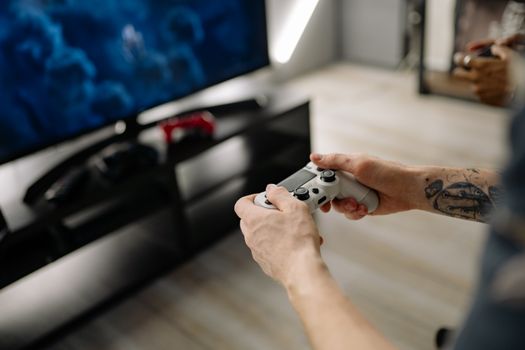
Person playing video games using a game controller indoors on a modern TV setup. Photo: Yan Krukau / Pexels
On the other side of the ring, gaming consoles champion simplicity, accessibility, and a curated gaming experience. For many, the appeal of a console lies in its 'plug-and-play' nature. There's no need to worry about driver updates, system compatibility, or complex settings. You buy the console, plug it in, and within minutes, you're diving into the latest games. This ease of use makes consoles incredibly appealing to casual gamers, families, and anyone who prefers to spend their time playing rather than troubleshooting. The standardized hardware means developers can optimize games specifically for that platform, ensuring a consistent and polished experience across all units. This often results in fewer bugs and performance issues compared to the myriad PC configurations. A significant draw for consoles, particularly PlayStation and Xbox, is their exclusive game libraries. Iconic franchises like 'God of War,' 'The Last of Us,' and 'Halo' are often tied to specific console platforms, acting as powerful incentives for players to choose one system over another. These exclusives can sometimes be system sellers, fostering a strong sense of community around specific brands and their unique offerings. While some of these exclusives eventually make their way to PC, console players often get to experience them first. The console ecosystem also boasts robust online multiplayer services, such as PlayStation Plus and Xbox Game Pass Ultimate, which not only provide access to online play but also offer a rotating library of free games, discounts, and cloud gaming options. These subscription services add significant value, making the overall cost of gaming more predictable and often more affordable in the long run, especially considering the initial lower hardware cost compared to a high-end PC. Console gaming also has a strong tradition of local multiplayer, with many games designed for split-screen or couch co-op experiences, fostering social interaction that can be less common in the predominantly online PC gaming world. The controllers themselves are often ergonomically designed for comfort during long gaming sessions, providing haptic feedback and adaptive triggers that enhance immersion in ways that traditional keyboard and mouse setups cannot replicate. Ultimately, the console experience is about convenience, a curated library, and a communal aspect that offers a distinct and highly enjoyable way to game.

See also: Adultwork Glasgow.

Cost, Performance, and Future-Proofing: A Deeper Dive into Investment
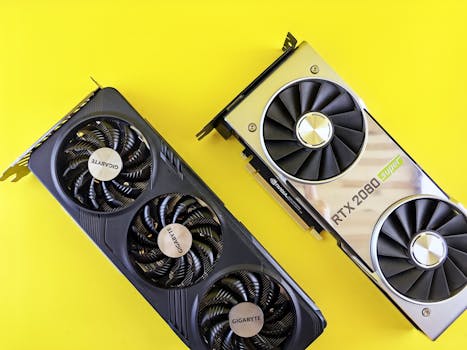
Two modern graphics cards on a bright yellow background, highlighting technology and design. Photo: Andrey Matveev / Pexels
The financial aspect is often a primary consideration when choosing between a gaming PC and a gaming console, and it's more nuanced than just the initial sticker price. While a current-generation console typically launches in the $400-$500 range, a capable gaming PC that can match or exceed console performance usually starts closer to $800-$1000, and high-end rigs can easily climb to $2000 or more. However, this initial cost needs to be weighed against long-term value. PCs offer superior upgradeability. Instead of buying a whole new system every 5-7 years, PC gamers can incrementally upgrade components like the graphics card, CPU, or RAM, extending the lifespan of their investment and keeping pace with technological advancements. This modularity means you can spread out your expenses over time, potentially saving money in the long run compared to repeatedly buying new console generations. On the other hand, console games often cost more than their PC counterparts, especially at launch, and PC gamers frequently benefit from aggressive sales on platforms like Steam, Epic Games Store, and GOG.com, which can significantly reduce the overall cost of building a game library. Furthermore, PC gaming doesn't typically require a paid subscription for online multiplayer, unlike PlayStation Plus or Xbox Game Pass Ultimate. While these console subscriptions offer other benefits like free games and discounts, the cumulative cost over several years can add up. Performance is another critical differentiator. High-end gaming PCs generally offer superior graphics, higher frame rates, and support for higher resolutions (e.g., 4K, 8K) and refresh rates (e.g., 144Hz, 240Hz) than consoles. This translates to a smoother, more visually stunning, and more responsive gaming experience. The ability to push settings to 'Ultra' and maintain high frame rates can fundamentally change how a game feels and looks. Discover the impact of high refresh rates on gaming performance. Consoles, while powerful, operate within fixed hardware limitations, meaning developers often make compromises to achieve stable performance across a wide range of games. Future-proofing is also a significant factor. A well-built gaming PC, with its upgrade potential, can remain relevant for a longer period, adapting to new technologies like ray tracing or advanced VR without needing a complete overhaul. Consoles, by design, are locked into their hardware for their entire generation, meaning they can become outdated more quickly as technology progresses. The investment in a gaming PC is not just for gaming but for a powerful, versatile computer that can handle almost any task you throw at it, making it a more comprehensive and potentially more cost-effective long-term investment for many users.

Navigating the Decision: Tips for Choosing Your Ideal Gaming Platform

A woman with long hair plays a retro arcade game indoors, enjoying classic gaming fun. Photo: Mikhail Nilov / Pexels
Making the choice between a gaming PC and a gaming console ultimately comes down to understanding your personal priorities and what you value most in a gaming experience. There's no universally 'better' option, only the option that's better for *you*. Here are some tips to help you navigate this significant decision: * **Define Your Budget Clearly:** Don't just think about the initial purchase. Factor in game costs, potential subscription services (for consoles), and possible future upgrades (for PCs). If your budget is tight, a console offers a fantastic entry point into modern gaming without breaking the bank. If you have more disposable income and want the best possible performance and versatility, a PC is a worthy investment. * **Consider Your Technical Aptitude:** Are you comfortable with hardware installation, driver updates, and troubleshooting? If yes, a PC offers immense freedom. If you prefer a hands-off, 'it just works' approach, a console is likely your best bet. PC gaming can involve a learning curve, but it also offers a deeper understanding of technology. * **Prioritize Game Exclusives:** Research the exclusive titles available on PlayStation, Xbox, and Nintendo Switch. If there's a specific franchise you absolutely cannot live without, that might dictate your choice immediately. PC offers a massive library, but misses out on some first-party console gems. * **Think About Your Usage Habits:** Do you primarily game alone, or do you enjoy local multiplayer with friends and family? Consoles excel at the couch co-op experience. Do you need a machine for work, creative tasks, and gaming? A PC offers unmatched versatility. If gaming is your sole purpose, a console might be more focused. * **Evaluate Your Setup:** Do you prefer gaming on a large TV from your couch with a controller, or at a desk with a monitor, keyboard, and mouse? Both platforms can adapt, but consoles are naturally geared towards the living room, while PCs typically thrive in a desk environment. Consider your preferred input method and display. * **Look at the Long-Term:** How important is future-proofing and upgradeability to you? A PC offers a path to continually update components, keeping it relevant for longer. Consoles will eventually be replaced by a new generation, requiring a full system purchase. Weigh the cost implications of both approaches over a 5-10 year period. By carefully evaluating these points, you'll gain clarity on which platform aligns best with your gaming lifestyle and preferences. There's no wrong answer, just the right one for you.

Comparison

FeatureGaming PCGaming ConsoleNintendo Switch
Initial CostHigh ($800-$2500+)Moderate ($400-$500)Low ($300-$350)
UpgradeabilityExcellent (modular)None (fixed hardware)None (fixed hardware)
Graphics/PerformanceHighest potential (4K, 144Hz+)High (4K upscaled, 60Hz)Moderate (1080p, 30-60Hz)
Game LibraryVast (Steam, Epic, Indie)Strong (exclusives)Strong (exclusives, portability)
VersatilityMulti-purpose (work, media)Dedicated gaming deviceDedicated gaming (hybrid)
Ease of UseModerate (setup, drivers)High (plug-and-play)High (plug-and-play)
Online Play CostFree (most games)Paid subscription requiredPaid subscription required
Modding SupportExtensiveMinimal to noneMinimal to none
Peripheral VarietyUnlimited (KB/M, controllers, VR)Limited (controllers, specific accessories)Limited (Joy-Cons, Pro Controller)

What Readers Say

"I used to be a console-only gamer, but after building my first gaming PC, I'm never looking back. The frame rates and graphical fidelity are just on another level, and having access to so many games on sale is a huge bonus. It was a bigger upfront cost, but totally worth it for the experience."

Alex P. · Seattle, WA

"For me, the PS5 is perfect. I just want to turn it on and play without worrying about settings or updates. The exclusive games are incredible, and I love playing with my friends online. It's hassle-free gaming at its best, and the graphics are still stunning on my TV."

Maria G. · Austin, TX

"I've always been a PC gamer, and the ability to customize my setup to my exact preferences is unbeatable. I can run anything, from competitive esports titles at 240Hz to immersive single-player games in VR. Plus, the modding community adds so much replay value to my favorite games."

David L. · Orlando, FL

"While my gaming PC offers amazing performance, sometimes I miss the simplicity of a console. There are days I just want to relax on the couch and play a game without thinking about drivers or optimization. It's a trade-off, but I mostly lean towards the PC's power."

Sarah J. · Denver, CO

"My family loves our Xbox Series X. It's so easy for everyone to pick up and play, and Game Pass is an absolute game-changer for discovering new titles without buying each one separately. It's a fantastic entertainment hub for the whole living room, not just gaming."

Kevin T. · Boston, MA

Frequently Asked Questions

Which is cheaper: a gaming PC or a gaming console?

Initially, gaming consoles are almost always cheaper, typically costing $300-$500. A gaming PC capable of matching or exceeding console performance usually starts at $800-$1000 and can go much higher. However, PCs can be cheaper in the long run due to free online multiplayer, cheaper game sales, and upgradeability that extends its lifespan.

Do I need technical knowledge to own a gaming PC?

While pre-built gaming PCs minimize the technical setup, building your own or troubleshooting issues often requires some technical comfort. Consoles, by contrast, are designed for extreme ease of use with minimal technical intervention required from the user, making them ideal for those who prefer a 'plug-and-play' experience.

How often do I need to upgrade a gaming PC versus buying a new console?

A gaming PC can be upgraded component by component (e.g., graphics card, RAM) every few years to keep it current, potentially lasting 7-10+ years with incremental investments. Consoles typically require purchasing an entirely new system every 5-7 years for a new generation, as their hardware is fixed and cannot be upgraded.

Are games more expensive on PC or console?

Console games often launch at a higher price point ($60-$70) and sales might be less frequent or less deep. PC games, especially on platforms like Steam, frequently go on significant sales, and many indie titles are more affordable. Additionally, PC online multiplayer is generally free, while consoles require a paid subscription.

Which platform offers better graphics and performance?

High-end gaming PCs generally offer superior graphics, higher frame rates, and support for higher resolutions (4K, 8K) and refresh rates (144Hz, 240Hz) compared to consoles. While current-gen consoles are powerful, they operate within fixed hardware limits, meaning PCs often provide a visually richer and smoother experience.

Who should choose a gaming PC vs a gaming console?

A gaming PC is ideal for those who prioritize maximum performance, customization, versatility (for work/creation), and a vast game library with modding potential. A gaming console is better for gamers who value simplicity, exclusive titles, a lower upfront cost, and a convenient, couch-friendly gaming experience with a strong online community.

Is there a risk of compatibility issues with PC gaming?

Yes, PC gaming can sometimes present compatibility challenges with drivers, operating systems, or specific hardware configurations, which might require troubleshooting. Consoles, with their standardized hardware and software, are designed to minimize such issues, offering a more consistent and reliable experience out of the box.

What are the future trends for gaming PCs and consoles?

Both platforms are evolving. PCs will continue to push boundaries with AI integration, advanced ray tracing, and higher fidelity VR. Consoles are likely to see more mid-generation refreshes, deeper integration of cloud gaming services like Xbox Game Pass, and continued focus on exclusive content and user-friendly experiences, blurring the lines in some areas but maintaining distinct identities.

The ultimate choice between a gaming PC and a gaming console hinges on your personal preferences, budget, and desired gaming experience. By carefully weighing the unique advantages of each, you can confidently select the platform that promises the most enjoyment and value for your gaming journey. Happy gaming!

Topics: gaming PC vs gaming consolePC gaming benefitsconsole gaming advantagesgaming platform comparisonchoosing a gaming system
Leo List
Brampton weed
Adultwork EstrelaBet Vai de Bet R7 Bet Betão Galera Bet Rainbet Bet9ja Shop SportyBet BetKing Sisal Loto Foot Hollywoodbets YesPlay Odibets RushBet Jugabet BetWarrior BetCity MSport betPawa Fortebet