
What Are Esports Games? The Ultimate Guide for Gamers
Dive into the thrilling world of competitive gaming, understand its mechanics, and explore the top titles driving this global phenomenon.
Explore Esports NowKey Takeaways
- ✓ Esports are organized, multiplayer video game competitions, often involving professional players and teams.
- ✓ Popular esports genres include MOBAs, FPS, fighting games, and real-time strategy (RTS).
- ✓ Major esports tournaments offer substantial prize pools, sometimes reaching millions of dollars.
- ✓ Esports viewership rivals traditional sports, with millions tuning in online and at live events.
How It Works
Esports begins with games designed for competitive play, featuring balanced mechanics, deep strategies, and spectator appeal. Developers often actively support their games' esports scenes with patches and dedicated features.
Talented individual players are scouted, form teams, and sign with professional organizations. These teams train rigorously, often living together in dedicated gaming houses to hone their skills and teamwork.
Teams compete in structured leagues (e.g., LCS, OWL) and major tournaments (e.g., The International, Worlds). These events typically follow a season format, culminating in playoffs and grand finals.
Fans watch games live in arenas or via streaming platforms like Twitch and YouTube. A vast ecosystem supports esports, including casters, analysts, coaches, sponsors, and merchandise.
Understanding the Core of Competitive Gaming
 Photo: Nathan b Caldeira / Pexels
Diverse Genres Dominating the Esports Landscape
 Photo: Yan Krukau / Pexels
The Global Phenomenon: Players, Teams, and Tournaments
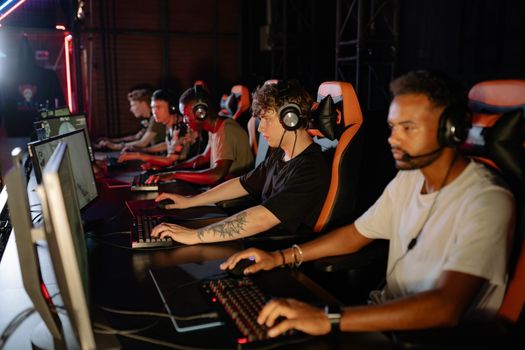 Photo: Yan Krukau / Pexels
Tips for Aspiring Esports Players and Common Misconceptions
 Photo: Yan Krukau / Pexels
Comparison
| Feature | MOBA (e.g., LoL, Dota 2) | FPS (e.g., CS:GO, Valorant) | Fighting (e.g., Street Fighter) | RTS (e.g., StarCraft II) |
|---|---|---|---|---|
| Core Skill Focus | Team Strategy, Macro Play | Aiming, Reflexes, Tactics | Execution, Reads, Matchups | APM, Strategy, Multitasking |
| Team Size | 5v5 | 5v5 | 1v1 | 1v1 |
| Spectator Appeal | High (Strategic depth) | Very High (Fast-paced action) | High (Individual skill) | Moderate (Complex strategy) |
| Learning Curve | Very High | High | High | Extremely High |
| Major Tournaments | Worlds, The International | Majors, Champions Tour | EVO, Capcom Cup | GSL, IEM |
What Readers Say
"This article perfectly explains what are esports games! As someone who's been a fan for years, it breaks down the complexities into easily digestible sections, making it accessible for newcomers while still providing depth for enthusiasts. Truly a comprehensive guide."
Alex 'Apex' Chen · Los Angeles, CA"I always wondered about the professional side of gaming. This piece clarified so much about what makes a game an 'esport' and the dedication involved. My understanding of the scene has significantly improved."
Sarah Miller · Austin, TX"The sections on different genres and the tips for aspiring players are gold. It's a fantastic resource for anyone like me who's considering getting into competitive gaming. Concrete results: I now have a clear roadmap for my practice!"
David 'D-Pad' Johnson · Orlando, FL"A very thorough explanation of what are esports games. While I wish there was a bit more on the business side, the coverage of players, teams, and game genres is excellent and highly informative for a general audience."
Emily Rodriguez · Seattle, WA"As a parent trying to understand my son's passion for esports, this article was incredibly helpful. It demystified the whole concept and showed me the legitimate sporting and career aspects. Highly recommend for any curious non-gamers."
Mark Peterson · Chicago, ILFrequently Asked Questions
What specifically qualifies a game to be an esports game?
A game qualifies as an esports game primarily if it features a competitive multiplayer mode, demands a high degree of skill, strategy, and teamwork, and maintains balance to ensure fair competition. It also needs strong developer support, a dedicated player base, and spectator appeal to foster a sustainable competitive ecosystem.
Is esports a legitimate career path?
Yes, esports is a legitimate and growing career path, though a highly competitive one. Professional players can earn salaries, prize money, and sponsorship deals. Beyond playing, there are numerous career opportunities in esports, including coaching, streaming, casting, event management, marketing, and game development.
How can I start playing esports games competitively?
To start playing competitively, choose a game you enjoy and dedicate yourself to mastering it. Practice consistently, analyze your gameplay, join online communities, and seek out amateur leagues or tournaments. Finding a team with good communication and synergy is also crucial for team-based games.
How much money can esports players make?
The earnings of esports players vary widely. Top-tier professionals can make millions from prize pools, salaries, and endorsements annually. However, most aspiring players earn significantly less, with many competing for smaller prizes and relying on streaming or part-time work to supplement their income.
How do esports compare to traditional sports in terms of viewership?
Esports viewership now rivals and, in some cases, surpasses that of traditional sports, especially among younger demographics. Major esports events regularly attract millions of concurrent viewers online, with grand finals filling large stadiums and drawing global audiences comparable to events like the Super Bowl or the NBA Finals.
Who should be interested in what are esports games?
Anyone with an interest in competitive gaming, strategic challenges, fast-paced action, or the intersection of technology and entertainment should be interested in esports games. It appeals to gamers, sports fans looking for a digital alternative, and those fascinated by emerging global phenomena.
Are there any health risks associated with playing esports professionally?
While not involving traditional physical contact, professional esports players can face health risks such as repetitive strain injuries (e.g., carpal tunnel syndrome), eye strain, and mental health challenges like burnout, stress, and anxiety due to the high-pressure environment and demanding schedules. Proper ergonomics and mental health support are crucial.
What are the future trends for esports games?
Future trends for esports games include continued diversification into new genres, increased integration with virtual and augmented reality technologies, further mainstream media adoption, and a stronger focus on player well-being and sustainable career paths. The rise of mobile esports is also a significant trend, expanding accessibility globally.
Now that you have a comprehensive understanding of what are esports games, it's time to dive in. Whether you aspire to compete, spectate, or simply learn more, the world of competitive gaming offers an exhilarating experience. Explore your favorite titles, support your teams, and witness the future of digital athleticism unfold.